


Dog training and exercise are important for a dog’s daily life. Training teaches good habits and simple commands, while exercise helps dogs stay active, use their energy, and keep their minds busy.
Dogs do not all learn in the same way or at the same speed. Puppies usually do better with brief sessions, while older dogs may stay focused for longer. Breed, age, health, temperament, and past learning can also shape how a dog responds to training. This guide from Dog Beds explains simple dog training methods, potty training, barking and behavior problems, recall, and exercise ideas. It also covers training tips for popular dog breeds.
Why Dog Training Matters
Good dog training helps dogs understand what you expect from them. It can make daily life easier and improve the bond between a dog and their family.
Shop the collection

Basic dog obedience training can teach useful cues such as sit, stay, come, down, and leave it. These skills can also help keep a dog safe.
Training does not need to be harsh. Reward-based learning is a simple approach. Give a dog praise, play, or small dog training treats when they make the right choice.
A few short lessons each day can work better than one long session. Keep training calm and end each session on a positive note.
How to Train a Dog
If you want to know how to train a dog, start with simple skills. Choose one behavior and practice it in a quiet place.
Here are some useful dog training tips:
- Use the same cue each time.
- Reward good behavior quickly.
- Keep sessions short and simple.
- Remove distractions at first.
- Practice the same skill in different places.
- Do not punish mistakes.
- Give your dog time to learn.
When learning how to train your dog, consistency is one of the most important parts. Everyone in the home should use the same cues and rules.
Common Dog Training Methods
There are several dog training methods, but reward-based training is widely used for basic skills. A reward can be a small treat, praise, a toy, or a short play session.
Clicker training for dogs is a simple way to teach new skills. The click tells your dog they have done the right thing, and you can follow it with a reward.
You can also use simple games as dog training exercises. For example, calling your dog from a short distance and rewarding them for coming can build recall.
If you need more support, a qualified dog trainer can help create a plan. In-person lessons, online dog training, and structured dog training programs can all be useful, depending on your needs.
Puppy Training Basics
Begin puppy training with easy commands that your puppy will understand. Keep practice sessions short. Help your puppy to learn simple commands like their name, sitting, coming to you, being quiet, and accepting gentle handling. Set a routine for their food, walk and play.
Use safe rewards and plenty of praise. Dog training treats for puppies should be small so they do not replace regular meals.
Social learning is also important. A puppy can slowly become familiar with different sounds, people, surfaces, and safe environments.
How to Potty Train a Dog
Learning how to potty train a dog takes patience and a regular routine. Take your dog outside after waking, eating, drinking, playing, and sleeping.
Look for signs that your dog needs to use the toilet. They may sniff around, walk in circles, or go near the door.
When your dog goes outside, praise them right away. This helps them connect the action with the reward.
For dogs that need more support, how to house train a dog starts with close supervision and regular outdoor trips.
Useful tips include:
- Keep a regular toilet schedule.
- Take puppies outside often.
- Praise outdoor bathroom trips.
- Clean indoor accidents well.
- Avoid punishment.
- Give your dog time to learn.
Dog potty training can take longer for some dogs. Older dogs may also need extra patience. If you are learning how to house train an adult dog or how to house train an older dog, first consider changes in routine, anxiety, or possible health problems.
Barking and Behaviour Training
Barking is normal dog behavior, but dog barking training can help when barking becomes excessive.
First, try to find out why your dog is barking. A dog may bark because of excitement, fear, boredom, attention seeking, or something outside the home.
Avoid shouting because it may increase excitement. Instead, reward calm behavior and teach a simple cue such as “quiet.”
Dog training and behavior work best when you understand the reason behind the behavior.
Aggression and reactivity need extra care. Dog aggression training should focus on safety and the cause of the behavior. A dog showing serious aggression may need help from a qualified behavior professional.
For difficult cases, look for a dog trainer for aggressive behavior, a dog trainer for biting, or a professional experienced in reactive dog training. Do not try to force a fearful or aggressive dog into situations that make the behavior worse.
Recall and Basic Obedience
Dog recall training teaches your dog to come to you when you call. Start at home or in a quiet, safe place. Call your dog by name and use a simple command. Give praise or a treat when your dog comes to you. As your dog learns, call from a little farther away and add small distractions. If you are learning how to train a dog to come, never use the recall cue only when something unpleasant is about to happen. Make coming to you a positive experience.
You can also teach how to train a dog to stay by asking for a short stay, stepping back, and rewarding your dog before they move.
Dog Exercise and Daily Activity
Training and exercise work well together. Dog exercise helps dogs use physical energy, while training gives them mental work.
So, how much exercise does a dog need? There is no single answer. Puppies, adults, seniors, small breeds, working breeds, and dogs with health concerns can have different needs.
Daily activity may include:
- Walking
- Short runs for suitable dogs
- Fetch
- Tug games
- Training games
- Scent games
- Safe indoor play
- Swimming for dogs that enjoy it
Indoor exercise for dogs can include finding hidden treats, learning new tricks, walking through a safe obstacle course, or playing fetch in a suitable space.
Do not push a dog beyond their ability. Young puppies and older dogs may need shorter and gentler activities.
Exercise Equipment for Dogs
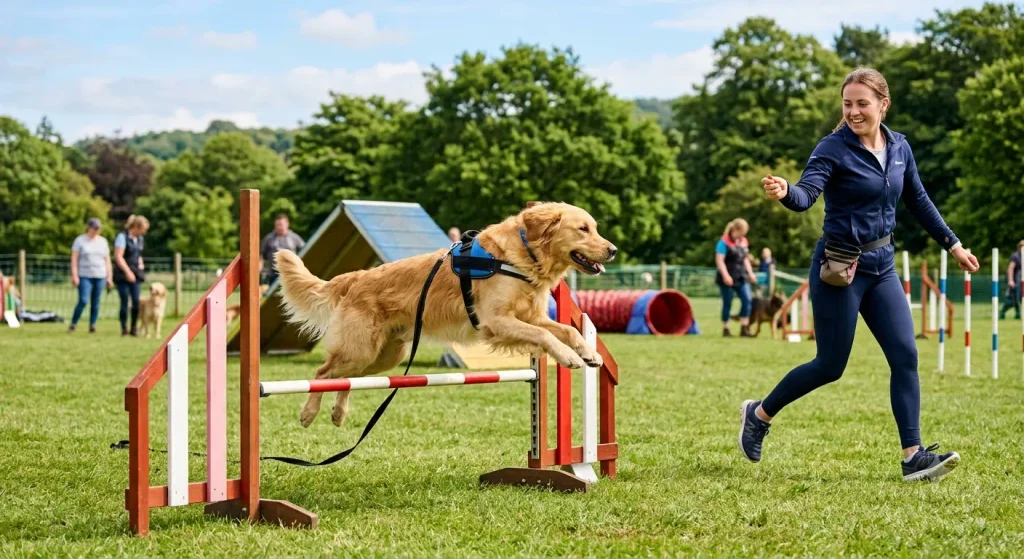
Simple dog exercise equipment can add variety to a routine. Depending on the dog and space available, this may include balls, toys, tunnels, or low-impact agility equipment.
You can mix training with play and exercise. For example, ask your dog to sit before you throw a toy or wait until you give a cue before starting the game.
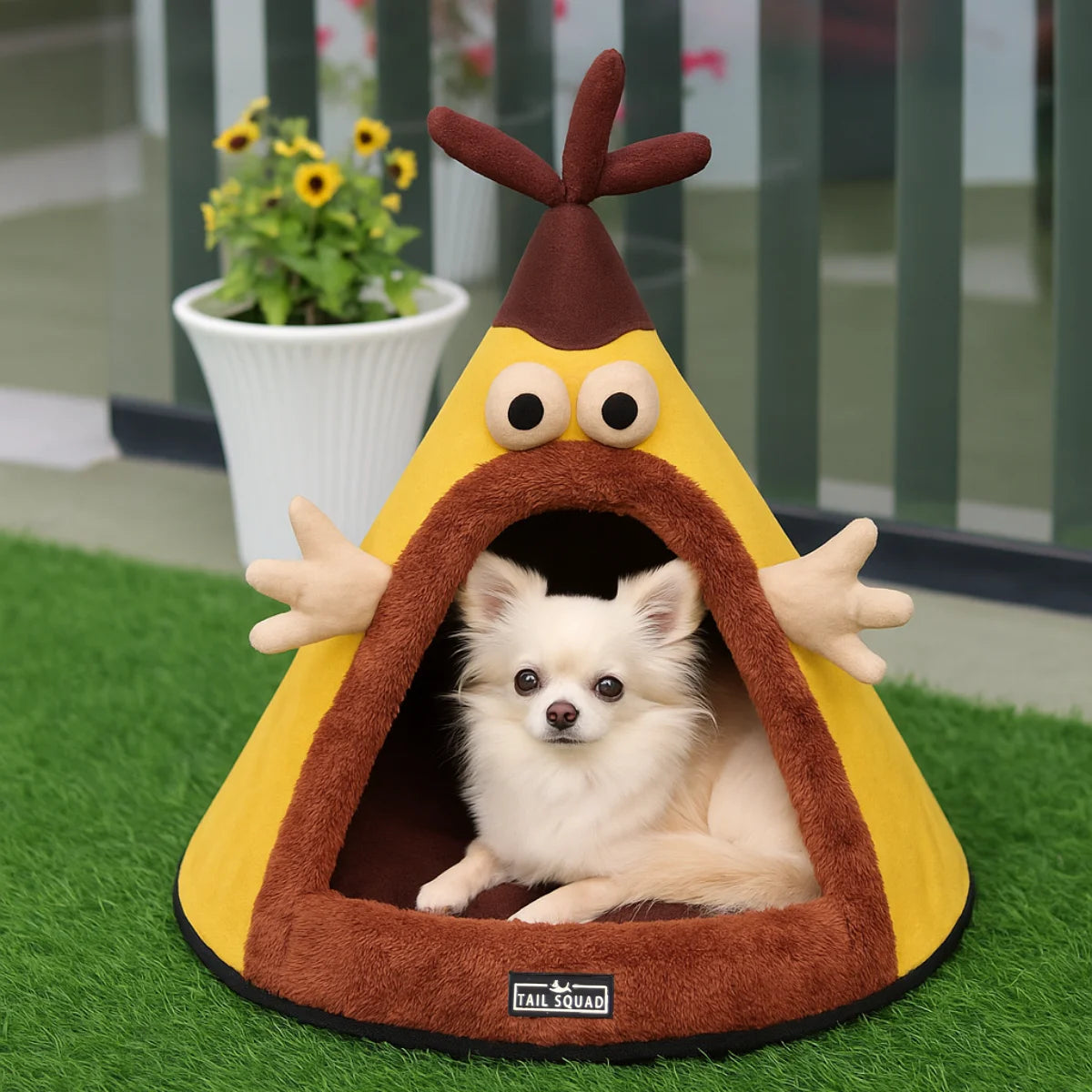
After active play, give your dog time to settle and rest. A suitable resting space can help them relax after a busy session, and Dog Beds can help families choose a comfortable place for their dog to rest.
Breed-Specific Dog Training Tips
Different breeds can have different energy levels and learning styles. These traits do not mean every dog of the same breed will behave in the same way.
● Golden Retriever
Golden Retriever training often includes retrieving games, recall, basic obedience, and calm greetings. Golden Retrievers are often eager to work with people, which can make lessons enjoyable.
Golden Retriever puppy training should focus on simple skills and good social habits. If you are asking, are Golden Retrievers easy to train, many learn well with consistent rewards and clear instructions.
● Labrador Retriever
Labrador Retriever training can cover simple commands like- walking on a leash, coming when called, and playing fetch. For Labrador Retriever puppy training, always keep the sessions short. If you are learning how to train a Labrador Retriever puppy, use small treats, praise, toys, and play to help your puppy learn.
● German Shepherd
German Shepherd training can begin with easy commands, good walking habits, recall practice, and calm time around new people and places. German Shepherd puppy training can begin with easy commands and gentle handling. When you are how to train a German Shepherd puppy, keep the same rules and routine each day.
A qualified German Shepherd trainer can help with more advanced work or behavior concerns.
● Beagle
Beagle training can benefit from food rewards and scent-based games. Beagles may become distracted by interesting smells, so recall should be practiced in safe areas.
Beagle puppy training should start with simple cues and short sessions.
● Cocker Spaniel
Cocker Spaniel training can include recall, leash walking, retrieving games, and basic obedience.
Cocker Spaniel puppy training should use gentle handling and clear rewards. Working Cockers may need more physical and mental activity, so training a working Cocker Spaniel can include suitable games and tasks.
● Pug
Pug training is best kept short and gentle, especially in hot or humid weather. Give your Pug regular breaks and stop if they seem tired or have trouble breathing.
● Dachshund
Dachshund training should focus on recall, leash skills, basic obedience, and house training.
Dachshund puppy training may require patience during potty training a Dachshund puppy. A regular routine can help.
For crate training Dachshund puppies, make the crate a safe resting place rather than a punishment area.
● Siberian Husky
Husky training can be challenging because Huskies are active and independent. Short, varied lessons can help keep their attention.
Siberian Husky training should include recall and leash work. Secure areas are important because a Husky may be eager to explore.
● Shih Tzu
Shih Tzu training should use gentle rewards and short sessions. Shih Tzu puppy training often includes house training, basic cues, and calm handling.
If you are wondering how to potty train a Shih Tzu puppy, use a regular schedule and reward successful outdoor trips.
● Chihuahua
Chihuahua training can include basic commands, good manners, recall, and calm behavior around people and other dogs. During Chihuahua puppy training, work on potty habits, barking, and gentle handling. If you are learning how to train a Chihuahua not to bark, reward quiet behavior and try to find out what makes your dog bark.
● Saint Bernard
Saint Bernard training can start when your dog is young. Teach the commands that are simple like- how to walk on a leash, and how to stay calm around people. For Saint Bernard puppy training, keep lessons short and gentle. Do not make your puppy run, jump, or exercise too much while growing.
● Great Dane
Great Dane training should start with basic obedience and good leash manners. Because Great Danes grow very large, teaching polite behavior early is helpful.
Great Dane puppy training should use controlled activity and short lessons. Avoid excessive jumping or hard exercise while a puppy is still growing.
When to Get Professional Help
Some training problems are easier with professional guidance. A trainer can help with difficult recall, serious barking, fear, aggression, biting, or reactivity.
Professional dog training lessons can also help families learn how to use rewards and clear communication.
For specific working roles, service dog training programs follow more structured training plans. A service dog in training needs appropriate guidance and careful public behavior work.
If your dog has suddenly changed behavior, speak with a veterinarian first. Pain or illness can sometimes affect behavior.
FAQs
1. How do you train a dog at home?
To train a dog at home, start with simple commands like- sit, stay, come, and leave it. Keep dog training sessions short, use rewards, and practice the same skills every day.
2. How long does dog training take?
There is no set time for dog training. It can depend on your dog’s age, breed, behavior, and how quickly they learn. Puppy training may take a few weeks or longer, while older dogs may need extra time and practice.
3. How do I potty train my dog?
For dog potty training, take your dog outside on a regular schedule, especially after eating, sleeping, and playing. Praise your dog after they go outside. This is a simple way to learn how to potty train a dog.
4. How much exercise does a dog need?
How much exercise a dog needs depends on its age, breed, health, and energy level. Daily walks, play, training games, and suitable dog exercises can help keep your dog active.
5. What can I do to reduce my dog’s barking?
Dog barking training starts by finding out why your dog is barking. Reward calm behavior and avoid shouting. If barking is difficult to manage, a dog trainer can provide suitable dog training advice.
6. What is the best way to train an aggressive or reactive dog?
Aggressive dog training and reactive dog training should focus on safety and the reason behind the behavior. A qualified dog trainer for aggressive behavior or professional experience in dog reactivity training can create a safe training plan.
Dog Training and Exercise Tips
Training your dog takes time. Some dogs are quick learners and others take more time. Keep each session short and repeat the lessons often. Give treats or praise for good behavior and keep the same routine each day. Walks, playtime, and exercise for dogs can also be part of a healthy daily routine.
Most importantly, pay attention to your dog’s needs. A young puppy, active working breed, adult companion, and senior dog may all need different routines.
With patience, clear rules, regular activity, and a comfortable place to rest, you can build a routine that supports your dog’s physical and mental well-being. Tail Squad provides helpful dog care information so families can make better choices for training, exercise, rest, and everyday life.From training and exercise to play and rest, Tail Squad offers dog products that can help support your dog’s everyday routine.