




A dog’s life is shaped by many things, including breed, age, diet, exercise, sleep, living conditions, and daily care. Understanding the dog lifestyle can help pet parents create a healthier and happier routine for their dogs.
A dog’s needs shift with age. Young pups spend more time resting and developing, grown dogs stay active through walks and play, while older companions may prefer slower routines and longer breaks.
This guide explains the life of a dog, the dog life cycle, sleep habits, common sleeping positions, and dog life expectancy by breed.
Shop the collection
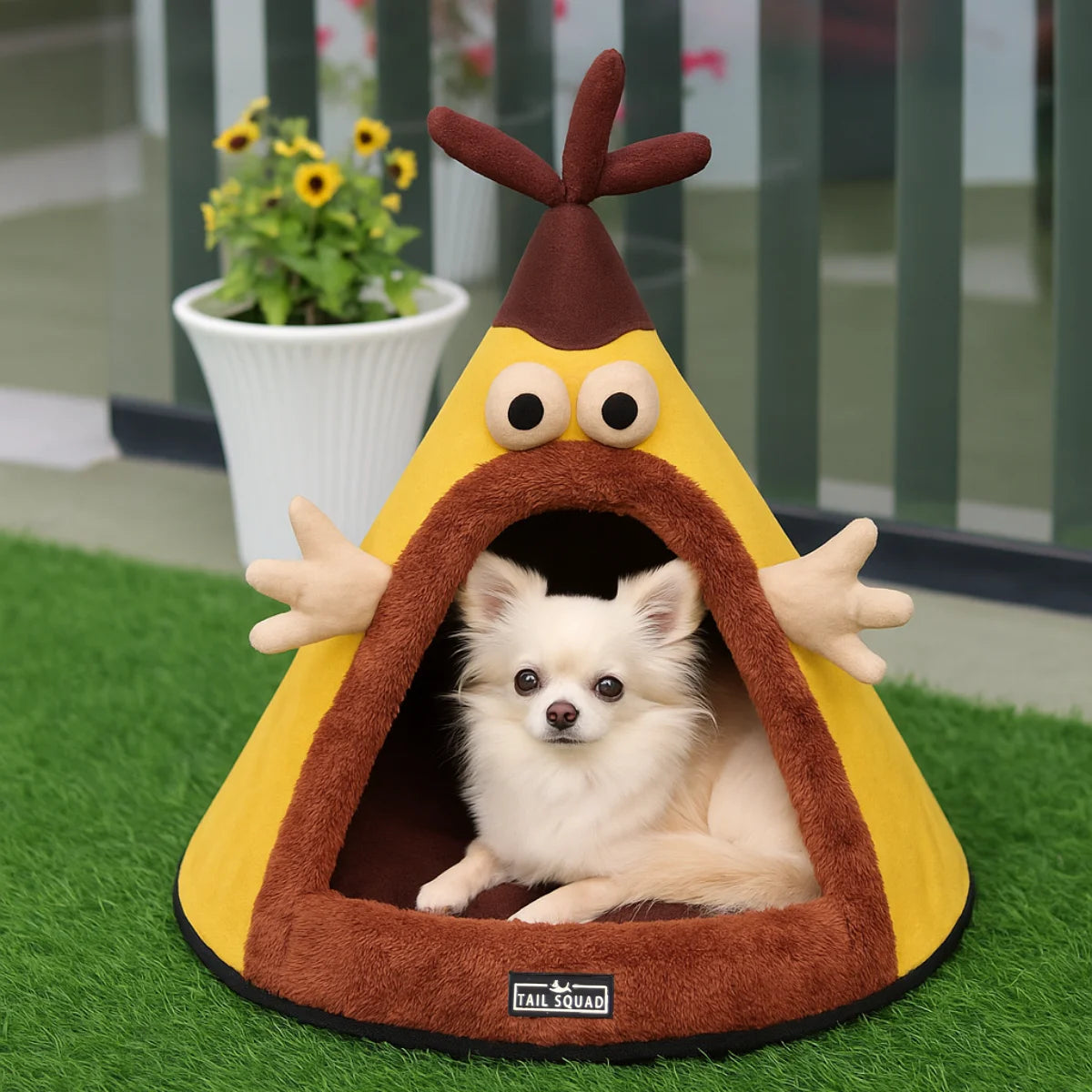

Understanding a Dog’s Life
The life of a dog can be very different from one breed to another. Small dogs often live longer than large breeds, although there are many individual differences.
A dog’s life can be divided into four main stages:
- Puppy stage
- Adolescent stage
- Adult stage
- Senior stage
Each stage brings different physical and behavioral changes.
The life cycle of a dog starts at birth. Puppies depend heavily on their mother during their first weeks. They then learn to walk, eat solid food, play, and interact with people and other dogs.
During adolescence, dogs become more independent and active. Adult dogs usually have more stable behavior and routines. Senior dogs may slow down and spend more time sleeping.
Knowing the dog life cycle makes it easier to understand changing needs at every age.
Dog Life Expectancy and Lifespan
One of the most common questions from pet parents is, “What is the life expectancy of a dog?”
The average dog life expectancy is often around 10 to 13 years, but this is only a general guide. Some dogs live much longer, while others have shorter lives due to genetics, disease, size, or other factors.
The average life span of a dog is based on-
- Breed and inherited traits
- Size and body structure
- Quality of food
- Daily exercise
- Regular vet checkups
- Dental care
- Healthy body weight
- Home
- Genetic health risks
Small breeds often have longer dog life years than giant breeds. A healthy small dog may live into its mid-teens, while some giant breeds may have a shorter lifespan.
This means there is no single answer to “what is the life of a dog?” The life expectancy for dogs by breed can vary greatly.
Dog Life Expectancy by Breed
Breed can give us a useful estimate, but it cannot predict exactly how long an individual dog will live.
For example:
- Labrador Retriever: commonly around 10–12 years
- Staffordshire Bull Terrier: commonly around 12–14 years
- Maltese: commonly around 12–15 years
- Pomeranian: commonly around 12–16 years
- Rajapalayam: often around 10–12 years, although individual dogs can vary
The life expectancy of Labrador dog parents may therefore be different from the Maltese dog life expectancy or Pomeranian dog life.
Some dogs have reached very advanced ages, but extreme examples should not be treated as the normal lifespan for a breed.
If you are asking about the dog breed with longest life expectancy, small companion breeds are often among the longest-lived. Still, genetics and individual health matter greatly.
What Affects a Dog’s Lifespan?
A healthy lifestyle can support a longer and better-quality life.
Good nutrition provides the energy and nutrients a dog needs. Regular exercise helps maintain healthy muscles and weight. Routine veterinary visits can also help identify health problems early.
A healthy weight reduces strain on the joints, heart, and body. Dogs also benefit from training, play, scent games, and time with people to stay alert and engaged.
A safe home environment is another important part of a good lifestyle dog routine. Dogs should have a clean sleeping area, fresh water, suitable food, and a comfortable place to rest.
Dog Sleep: How Much Do Dogs Sleep?
Sleep is a major part of the dog lifestyle. Dogs spend much more time sleeping and resting than humans usually do.
So, how much do dogs sleep? Most adult dogs sleep and rest for 12-14 hours in a day. Some dogs may sleep more or less depending on their age, breed, activity level, health, and environment.
Puppies and older dogs often need more sleep.
So, how many hours do dogs sleep a day? There is no exact number for every dog. A healthy adult may sleep around 12–14 hours, while puppies can sleep for 18 hours or more in a day.
Puppy Sleeping
Puppies use a lot of energy while growing and learning. Their bodies need plenty of rest.
It is normal for a puppy to sleep for long periods during the day and night. Puppies may wake up often because they need food, bathroom breaks, or comfort.
If you’re wondering how to get a puppy to sleep through the night, keep a regular bedtime routine. Give your puppy a toilet break before bed and settle them in a quiet, safe sleeping space.
A crate can be useful when introduced slowly and positively. The puppy should see it as a safe resting place rather than a punishment.
Many new pet parents also ask, “Where should a puppy sleep at night?” A puppy should sleep in a secure area where you can monitor them and respond to nighttime needs.
With time, most puppies gradually learn to sleep for longer periods at night.
Why Do Dogs Sleep So Much?
Dogs have a different sleep pattern from humans. They often take several naps during the day instead of sleeping for one long period.
So, why do dogs sleep so much? Rest helps dogs recover from physical activity and supports normal brain and body function.
A very active dog may need more rest after exercise. Puppies need sleep for growth and development. Senior dogs may sleep more because their bodies recover more slowly.
However, a sudden change in sleep habits can sometimes signal a health problem. If a dog suddenly sleeps much more than normal, seems weak, loses interest in food, or shows other unusual signs, a veterinarian should be consulted.
Common Dog Sleeping Positions and Their Meaning
Dog sleeping positions can look funny, but they may also tell you something about how your dog feels.
● Curled Up
Dogs curled up into a ball may be trying to conserve body heat or feel secure. This is a common sleeping position.
● On the Back
Why do dogs sleep on their backs? A dog may lie on its back when it feels relaxed and comfortable. The belly is exposed, so this position is often seen when a dog feels safe in its surroundings.
● On the Side
Side sleeping is common among relaxed dogs. It allows the muscles to rest and can be a sign that the dog feels comfortable.
● At Your Feet
Many dogs like sleeping near their pet parents. So, why do dogs sleep at your feet? It may simply be because they enjoy being close to you.
A dog may also choose your feet because they provide a familiar smell and a sense of security.
● On You
Why does my dog sleep on me? Dogs may sleep on people because they enjoy warmth, comfort, and companionship.
What does it mean when your dog sleeps on you? In many cases, it simply means the dog feels comfortable and safe around you.
● Under the Bed
Some dogs prefer enclosed spaces. Why does my dog sleep under my bed? The space may feel quiet, dark, and protected.
If your dog regularly chooses this area, make sure it is safe and free from hazards.
Other Common Dog Sleep Behaviors
Dogs can show many unusual behaviors while sleeping.
● Dog Twitching in Sleep
You may notice a dog twitching while sleeping. Small movements, paw twitches, facial movements, or soft sounds can happen during normal sleep.
If you are wondering why do dogs twitch in their sleep? Small movements happen during normal sleep, especially when a dog is in deep sleep or is dreaming.
● Barking in Sleep
A dog barking in sleep or making small noises is not always a cause for concern. Dogs may vocalize during sleep, especially during active sleep periods.
● Fast Breathing While Sleeping
A dog may breathe faster during certain stages of sleep. Puppies can also have changing breathing patterns while sleeping.
However, rapid or difficult breathing that continues when the dog is awake, or breathing that appears labored, needs veterinary attention.
● Dog Snoring
Some dogs snore because of their sleeping position or physical features. Short-nosed breeds are more likely to snore.
New, severe, or worsening snoring should be discussed with a veterinarian, especially if it comes with breathing problems.
Creating a Healthy Dog Lifestyle
A good dog lifestyle does not mean keeping a dog active all day. Dogs need a balance of exercise, food, play, social time, training, and rest.
A healthy daily routine may include:
- Regular meals
- Fresh drinking water
- Daily walks
- Age-appropriate exercise
- Play and mental stimulation
- Basic training
- Grooming
- Quality sleep
- Regular veterinary care
A suitable dog bed can also give your dog a dedicated place to rest. The right bed should match the dog’s size, sleeping style, age, and physical needs.
For dogs that spend a lot of time sleeping, good support and easy access can become more important as they get older.
Dog Life at Different Ages
The life of a dog changes from one breed to another, but the general stages are similar.
● Puppy
Puppies are still developing and need regular meals, gentle training, playtime, and lots of rest.
● Young Adult
Young dogs are often full of energy and enjoy daily walks, play, training, and activities that keep them busy.
● Adult
Mature dogs often settle into a familiar daily pattern. Their diet, exercise is based on breed, body type, lifestyle, and health.
● Senior
Older dogs may become less active and need more rest as they age. Short walks, regular vet visits, and a supportive sleeping space can help them stay comfortable.
FAQs
1. How long is the average life span of a dog?
The average dog life expectancy is around 10 to 13 years, but it depends on factors like- Breed, size, genes, diet, exercise, and overall health can all affect a dog’s lifespan.
2. How much do dogs sleep each day?
Most adult dogs sleep and rest for about 12 to 14 hours a day. Puppies and senior dogs may need more sleep. Activity level, age, breed, and health can also affect how many hours do dogs sleep.
3. Why do dogs sleep so much?
Dogs need a lot of rest to recharge after daily activities. Puppies often sleep longer while growing, and older dogs may also need extra downtime. If your dog suddenly starts sleeping far more than usual, it is worth checking with a vet.
4. What do dog sleeping positions mean?
Dog sleeping positions can give clues about how a dog feels while resting. Curling up may help them stay warm, while lying on the back can mean they feel relaxed and secure. Sleeping close to a pet parent is often a sign that they enjoy the company.
5. Which dog breed has the longest life expectancy?
There is no single dog breed with the longest life expectancy in every case. Small breeds such as Maltese and Pomeranians are often among the longer-lived dogs, but individual genetics and care can have a major effect on lifespan.
6. How can I support a healthy dog lifestyle?
A good dog lifestyle includes proper food, daily movement, play, grooming, routine vet visits, and plenty of rest. A comfortable dog bed also gives your pet a regular spot to relax.
Supporting Your Dog Through Every Life Stage
Learning about a dog’s lifestyle can help you understand what your pet needs at different ages. Puppies need time, guidance, and patience, adult dogs need plenty of activity, and older dogs may prefer a slower pace with extra comfort. There is no single perfect routine for every dog. The best approach is to consider the dog’s age, breed, size, personality, and health.
From choosing a suitable dog bed to building a regular sleep routine, small changes can make everyday life better.
For more pet care information and product recommendations, Dog Beds provides helpful guides for pet parents. Dog Beds shares helpful information and practical tips, including useful recommendations from Tail Squad, to help pet parents make best choices for their pets.
A healthy dog life is about more than lifespan. It is also about helping your dog feel safe, active, rested, and cared for throughout every stage of life.