

A dog can become part of the family for many years, so it is natural to wonder about dog life expectancy. The answer is not the same for every dog. Breed, size, genetics, diet, exercise, weight and veterinary care can all affect how long a dog lives.
For many dogs, a useful general guide is around 10 to 13 years. Some small breeds live longer, while many giant breeds have shorter lives. A breed’s usual range is a guide, not a promise.

Understanding a Dog’s Lifespan
Dog life expectancy is the average number of years a dog may live. It is an estimate based on information collected from many dogs. It should not be treated as a fixed age for an individual pet.
Shop the collection
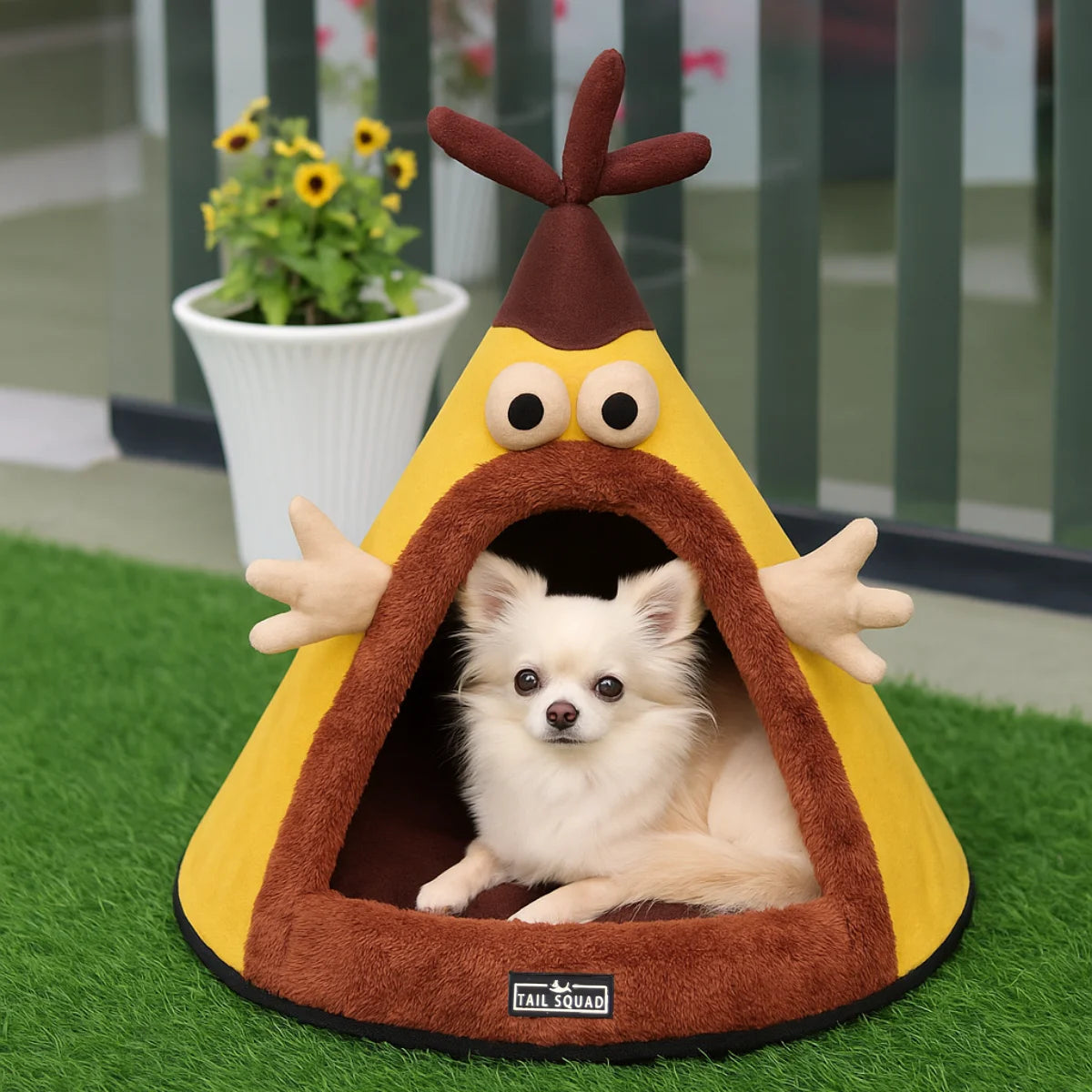

The life expectancy of dogs is influenced by diet, weight, activity, genetics and veterinary care. A healthy dog may live longer than its breed average, while inherited problems or serious illness can shorten life.
When people ask about the life expectancy of a dog, they usually want a simple number. Breed is a useful starting point, but individual health matters too.
Average Dog Life Expectancy
The average dog life expectancy is often placed around 10 to 13 years. Small dogs tend to live longer than large and giant breeds. Some small dogs reach 15 years or more, while certain giant breeds may have an average closer to 7 to 10 years.
Good care can help dogs stay healthy for longer. Healthy food, regular vaccines and parasite control all play a part, while the average life expectancy of a dog may also improve with early treatment.
There is no single average life span of a dog for every breed. Think of lifespan as a range because genes, size and health history all matter.
Dog Life Expectancy by Breed
Dog life expectancy by breed is one of the easiest ways to compare expected lifespans. The figures below are broad estimates, not guarantees.
- Labrador Retriever: About 10–12 years — Active and friendly, Labradors can live a healthy life with proper nutrition, exercise and regular vet care.
- Maltese: About 12–15 years — This small breed often enjoys a long lifespan with good dental care, nutrition and regular health checks.
- Pomeranian: About 12–16 years — Pomeranians are long-lived small dogs that benefit from a healthy diet, exercise and routine veterinary care.
- Staffordshire Bull Terrier: About 12–14 years — Strong and active, this breed can stay healthy with regular exercise, weight control and proper care.
- Rajapalayam: Often around 10–12 years — This large Indian breed can enjoy a good lifespan with balanced nutrition, daily activity and regular health checks.
- Great Dane: About 7–10 years — Great Danes generally have a shorter lifespan because of their large size, so good food, regular exercise and routine vet care are important for their health.
- Chihuahua: About 12–16 years — Chihuahuas are long-lived dogs that can thrive with good nutrition, dental care, exercise and regular checkups.
- Golden Retriever: About 10–12 years — Golden Retrievers benefit from regular exercise, a balanced diet, healthy weight management and routine veterinary care.
The life expectancy for dogs by breed can differ between sources because studies use different populations. Even dogs from the same litter may age differently.
● Labrador Retriever
The life expectancy of Labrador dog is commonly around 10 to 12 years. The life span of Labrador dog can be affected by weight, joint health, inherited conditions and general fitness. Labradors often enjoy food, so keeping an eye on body weight is especially important.
● Maltese
Maltese dog life expectancy is often around 12 to 15 years, and some Maltese live longer. Their small size is one reason the Maltese dog life span is generally longer than that of many large breeds. Dental care, regular check-ups and a balanced diet remain important throughout life.
● Pomeranian
The Pomeranian dog life can commonly extend into the mid-teens. With a typical lifespan of around 12 to 16 years, this small breed may have a longer life than many larger dogs. Good dental care, weight control and routine veterinary visits can help support long-term health.
● Rajapalayam
The Rajapalayam dog life span is often estimated at around 10 to 12 years, although individual dogs may live outside this range. Genetics, nutrition, activity and veterinary care can all influence the result.
● Staffordshire Bull Terrier
The life expectancy of Staffy dogs is commonly around 12 to 14 years. Staffies benefit from regular exercise, training and mental stimulation. A healthy weight protects their joints.
The Dog Life Cycle
The dog life cycle can be divided into several broad stages. Each stage brings different needs, so care should change as your dog grows.
● Puppy Stage
The life cycle of a dog begins with puppyhood. Puppies need suitable food, vaccinations, socialisation, sleep and gentle training. Exercise should match their age and breed while their bones develop.
● Young Adult Stage
Young adult dogs are often active and full of energy. Training, walks, play and simple games can keep the body and mind active.
● Adult Stage
The adult years are often the most stable part of the life cycle for dogs. Regular exercise, good nutrition, dental care, parasite prevention and veterinary checks remain important.
● Senior Stage
As dogs get older, their daily habits may start to change. They may slow down, sleep more, or take a little longer to get up, although some older dogs still love to play. A soft bed, easy walks, food and water kept nearby, and regular vet visits can help them stay comfortable and enjoy their everyday life.
Understanding Dog Life Years
People often ask about dog life years and dog life age to compare a dog’s age with human age. The old idea that one dog year equals seven human years is too simple.
Dogs mature quickly early in life, and ageing varies with size and breed. It is better to consider age, size and breed together.
When considering the life of dog in years, focus on the life stage rather than one exact human-age number. A seven-year-old small dog may age differently from a seven-year-old giant breed.
What Affects the Average Life of a Dog?
The average life of a dog is shaped by more than breed. Everyday care can have a meaningful role.
● Healthy Weight
If your pet has excess weight it can put extra strain on joints and may increase the risk of several health problems. Feed the right amount for your dog’s size, age and activity level, and ask your vet for advice if you are unsure about body condition.
● Good Nutrition
A balanced diet provides nutrients for growth, maintenance and healthy aging. Food needs can change as a dog moves from puppy to adult to senior.
● Exercise and Mental Activity
Regular activity helps dogs stay fit and gives them an outlet for normal behaviour. Walks, sniffing games, training sessions and suitable play can provide both physical and mental exercise.
A supportive bed can help a dog settle after activity. On the Dog Beds website, choose bedding that suits your dog’s size, sleeping style and stage of life. Tail Squad products may also be worth considering for everyday rest.
● Veterinary Care
Routine veterinary visits can help spot problems early. Vaccinations, dental checks, parasite prevention and suitable screening are useful parts of responsible care.
● Genetics and Breed
Genetics can influence disease risk and longevity. This is why dog life expectancy extension cannot come from one simple trick. Good care cannot remove every inherited risk.
Which Dogs Live the Longest?
Searches such as shortest dog life expectancy, dogs longest life, and what dog has longest life span often come from people comparing breeds.
Small breeds like-Chihuahuas, Maltese and Pomeranians are often among the longer-lived dogs. However, there is no single breed that can be guaranteed to have the longest life.
If you are asking for the breed of dog with longest life expectancy, it is better to look at groups of long-lived small breeds rather than rely on one winner. Individual dogs can live much shorter or longer than their breed’s usual range.
The same applies to dog breed with longest life expectancy. A breed may have a high average, while an individual dog may not reach it. Very old-dog records should also be treated carefully unless age is verified.
Large and giant breeds generally have shorter lifespans, so dog with highest life span are hard to answer without defining the population and age records used.
Can You Increase a Dog’s Lifespan?
You cannot control every part of aging, but you can build habits that support good health. Healthy weight, suitable food, regular movement, mental activity, dental care, grooming and veterinary visits all matter.
Pay attention to small changes too. A new lump, change in appetite, unusual tiredness, weight loss, stiffness, coughing or changes in bathroom habits should be discussed with a veterinarian.
Good care is not only about adding years. It is also about helping your dog stay active, comfortable and able to enjoy normal daily activities for as long as possible.
FAQs
1. What is the average dog life expectancy?
A dog’s average lifespan is- 10 to 13 years, though this can vary depending on its breed, body size, genes, daily care and general wellbeing. Smaller dogs often live for more years, while very large breeds usually have shorter lives.
2. What is the life expectancy of a Labrador dog?
The Labrador dog life expectancy is commonly around 10 to 12 years. Keeping a Labrador at a healthy weight, providing regular exercise and arranging routine veterinary care may support better long-term health.
3. What is the Maltese dog life span?
The Maltese dog life span is often around 12 to 15 years, with some dogs living longer. Good dental care, nutrition and regular health checks are important for this small breed.
4. What dog has the longest life span?
There is no single answer to what dog has longest life span because lifespan records vary and individual dogs can exceed breed averages. Smaller breeds, including Chihuahuas, Maltese and Pomeranians, often live longer than many larger dog breeds.
5. What is the shortest dog life expectancy?
The shortest dog life expectancy is generally seen in some giant breeds, which may average around 7 to 10 years. Great Danes are one example of a breed with a relatively short typical lifespan.
6. Can dog life expectancy be extended?
There is no guaranteed way to increase lifespan, but dog life expectancy extension can be supported through healthy weight management, balanced nutrition, exercise, dental care, preventive veterinary care and early attention to health changes.
Final Thoughts
The life time of dog varies by breed and individual. The life period of dog is shaped by genetics, size, health, nutrition and everyday care.
Instead of focusing only on a number, use your dog’s age and breed as a guide for changing care needs. Puppies need growth support, adults need steady routines, and senior dogs often benefit from extra comfort and closer health monitoring.
Understanding dog life expectancy can help you plan better care at every stage. With sensible feeding, regular activity, veterinary support and a safe place to rest, you can give your dog a long and healthy life.