

Dogs need more than walks, food, and a place to sleep. They also need chances to sniff, explore, think, chew, search, and make choices. This is where dog enrichment can make a real difference.
Enrichment gives dogs safe ways to use their natural skills. A good activity can help break up a dull day, add variety to a routine, and give your dog something useful to focus on. It does not have to be expensive or take hours. Many dog enrichment ideas can be done with items you already have at home.
Dog Enrichment
Dog enrichment means giving a dog activities that meet natural needs and keep their body or mind active. Dogs are curious animals, and each dog enjoys different things. One may love sniffing, another may enjoy finding treats, while another may prefer chewing or learning new skills.
Shop the collection
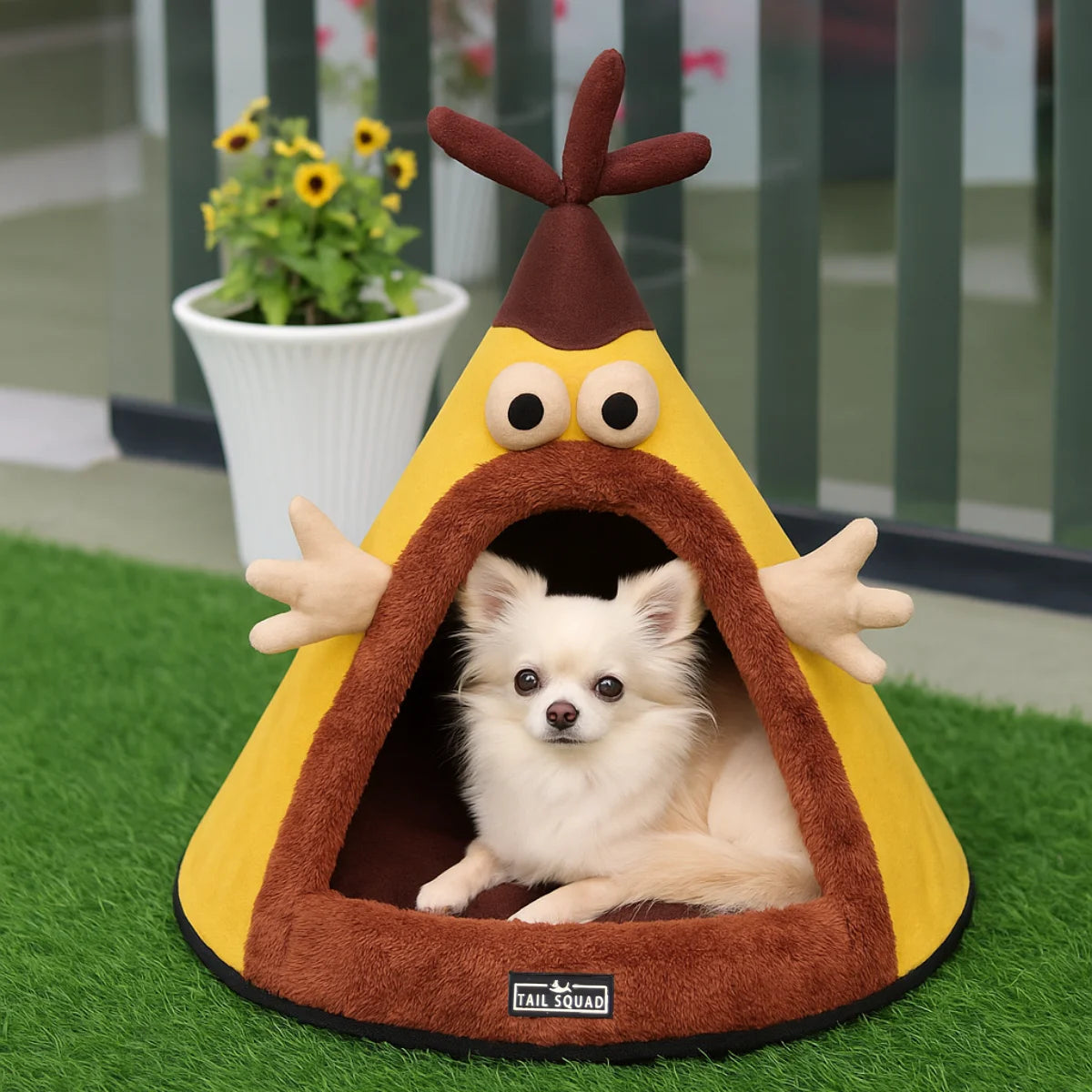

The best enrichment for dogs is safe, suitable for their age, and matched to their personality. Enrichment works alongside exercise and training rather than replacing them.
Common types include mental, physical, social, sensory, and environmental enrichment.
Why Do Dogs Need Enrichment?
A dog can become bored when every day follows the same pattern. Boredom may show up as chewing furniture, barking for attention, digging, pacing, or pestering people. Not every unwanted behaviour is caused by boredom, but adding suitable activities can help provide a better outlet for normal dog behaviour.
Mental enrichment for dogs can be especially useful for dogs that cannot have long periods of physical exercise. Sniffing, searching, and simple puzzle tasks can take effort even when a dog is moving only a little.
Enrichment can add variety to your dog’s daily routine. A quick search game can give your dog something to focus on before settling down. A food puzzle can make mealtime more interesting, while simple training games can improve focus and give you both some quality time together.
Dog Enrichment Ideas for Everyday Life
You do not need a large garden or lots of equipment to start. Try a few simple dog enrichment activities and see what your dog enjoys.
1. Let Your Dog Sniff
Sniffing is one of the easiest enrichment activities for dogs. On a walk, give your dog time to investigate safe smells instead of rushing from one point to another. You can also hide a few treats around one room and let your dog find them.
2. Use Mealtime as an Activity
Dog food enrichment can make an ordinary meal more interesting. Instead of serving every meal in the same bowl, you can use a suitable food puzzle, slow feeder, or scatter a portion of dry food in a safe area for your dog to search.
Always use food that fits your dog’s normal diet, and reduce the main meal if extra treats are added.
3. Try a Simple Training Game
Good dog enrichment and training can work well together. Teach your dog simple tasks such as touching your hand, finding a toy, waiting for a release word, or going to their bed. Keep each session short and reward the behaviour you want to encourage.
4. Rotate Toys
Dogs do not always need more toys. Try putting some toys away and bringing them back later. A toy that has not been seen for a few days may feel interesting again.
When choosing dog enrichment toys, consider your dog’s size, chewing habits, and play style. Check toys often for damage.
Dog Enrichment Games and Puzzles
Dog enrichment games can turn a quiet part of the day into something more engaging.
Hide-and-seek is a simple option. Ask your dog to wait, hide nearby, then call them. Praise them when they find you. You can also hide a favourite toy and encourage your dog to search for it.
Dog enrichment puzzles can provide another challenge. Start with an easy puzzle so your dog learns how it works. If the task is too hard, a dog may lose interest or become frustrated.
When looking for the best dog enrichment toys, focus less on what is popular and more on what suits your dog. A strong chewer needs a different option from a puppy that enjoys gentle play. Food-based toys should also be easy to clean.
Indoor Enrichment for Dogs
Rainy weather, a busy day, or a small home can make outdoor time harder for your pet. You can still keep your dog busy indoors with some very easy and fun games. Hide a favourite toy for them to find, scatter a few treats for a sniffing game, practise simple commands, or let them work on a food puzzle.
For dog enrichment ideas at home, hide a few treats in safe spots, teach a new cue, offer a safe chew, or make a simple cardboard search game while supervising your dog.
For dog enrichment ideas while at work, prepare a safe activity before you start. A suitable food toy, chew, or simple scent game can give your dog something to do during a quiet period. Do not leave a new toy unsupervised until you know your dog can use it safely.
Puppy Enrichment
Puppy enrichment should be gentle, short, and suitable for a young dog’s stage of development. Puppies are still learning about the world, so everyday experiences can become useful learning opportunities.
Good puppy enrichment activities include gentle handling, simple name games, short training sessions, safe sniffing, food puzzles made for puppies, and exploring different surfaces under supervision.
When trying puppy enrichment ideas, avoid making every activity exciting. Puppies also need plenty of sleep and quiet time. The aim is to help them learn, explore, and build confidence without overwhelming them.
Enrichment for puppies should also be adjusted as they grow. A puzzle that is suitable for a young puppy may become too easy later.
Enrichment for Senior Dogs
Older dogs may enjoy enrichment just as much as younger dogs, but activities often need to be gentler. Enrichment for senior dogs can include sniffing, food searches, easy puzzles, calm training, gentle play, and time spent exploring familiar areas.
Choose activities that match your dog’s mobility. Avoid games that involve repeated jumping, sharp turns, or slippery floors if these movements are difficult for your dog.
A comfortable resting place is also important after activity. On the Dog Beds website, choosing a supportive dog bed can help create a clear place for your dog to rest between enrichment sessions.
DIY Dog Enrichment Ideas
You can make simple activities at home with safe household items. DIY dog enrichment is often more about the idea than the equipment.
For one easy activity, place dry food in a few cardboard boxes and leave some boxes empty. Let your dog search through them while you supervise. This can become one of several DIY dog enrichment ideas using items you already have.
You can also make DIY enrichment toys for dogs by hiding treats inside a safe paper-based activity. For dogs that like to shred, supervise closely and remove pieces as soon as they break apart.
Some owners use homemade dog enrichment toys made from old towels or washable materials. Offer these only if your dog will not swallow pieces.
Environmental and Behavioural Enrichment
Environmental enrichment for dogs is about making the space around them more interesting and giving them things to do. You can move their toys to different spots, let them explore safe surfaces, set up a place where they can watch what is happening outside, or make a small area where they can sniff and investigate. Behavioural enrichment for dogs gives dogs appropriate ways to perform natural behaviours such as sniffing, chewing, searching, digging, carrying, and foraging. Meeting these needs can make a daily routine more varied.
This is why canine enrichment ideas should not all involve treats. A scent walk, a new training game, a safe chew, or a chance to explore can all provide value.
Easy Enrichment for Cold Days
Cold or wet weather does not have to mean a boring day. Dog enrichment for cold days can include indoor scent searches, short training games, puzzle toys, toy rotation, and food-based activities.
Keep sessions short and give your dog breaks. If your dog becomes frustrated, tired, or overly excited, stop and try an easier activity later.
Choosing Enrichment Toys
When shopping for enrichment toys for dogs, look at safety first. The toy should be suitable for your dog’s size and chewing style. It should not have loose parts that your dog can easily swallow.
Tail Squad offers dog products that can be considered alongside your dog’s daily routine. If you are choosing a bed or other dog item through Dog Beds, always check the product size, materials, cleaning instructions, and your dog’s needs before buying. As an affiliate website, Dog Beds may earn a commission from qualifying purchases.
FAQs
1. What is the best type of dog enrichment?
Every dog has its own way of enjoying dog enrichment. One dog may spend ages sniffing and searching, while another may get more excited about a puzzle, chew, training game, or toy. Pay attention to what keeps your dog interested and introduce new activities at a pace that feels comfortable for them.
2. How can I do dog enrichment at home?
Try dog enrichment ideas at home such as hiding treats, rotating toys, playing hide-and-seek, teaching simple cues, or using a suitable food puzzle. Always supervise new activities.
3. Are enrichment toys good for puppies?
Yes. Puppy enrichment activities give young dogs something fun to do while they learn. Pick simple, safe toys and keep playtime short.
4. Can enrichment help an older dog?
Yes. Enrichment for senior dogs can be as simple as sniffing games, finding treats, easy puzzles, or gentle training. Choose activities that suit your dog’s movement and energy.
5. What are some easy DIY enrichment ideas for dogs?
Try a treat hunt, a cardboard box search, or another simple game made with safe, washable items. Keep an eye on your dog and throw away anything that gets damaged.
6. Can dog enrichment replace exercise?
Not completely. Dog enrichment keeps the mind busy, but dogs also need suitable exercise, rest, training, and time with people or other dogs. Their needs vary with age, breed, and ability.
Making Enrichment Part of Your Dog’s Day
Good enrichment does not need to be complicated. A few minutes of sniffing, a simple search game, a short training session, or a suitable puzzle can add useful variety to a dog’s day.
Start with easy activities and watch what your dog enjoys. Then change the activity from time to time. With the right mix of dog enrichment ideas, exercise, training, rest, and social time, you can build a routine that supports your dog’s natural needs at every life stage.