

Sleep is a big part of a healthy dog’s life. Puppies may nap for much of the day, while adult dogs often sleep in several short periods instead of one long stretch at night. Older dogs may also need more rest as their bodies slow down.
Understanding dog sleeping can help you notice what is normal for your pet and spot changes that may need attention. From funny dog sleeping positions to barking, twitching, or moving during sleep, many habits have a simple explanation.
How Much Sleep Do Dogs Need?
A dog’s age, size, breed, health, activity level, and daily routine all affect its sleep. There is no single number that fits every dog.
Shop the collection
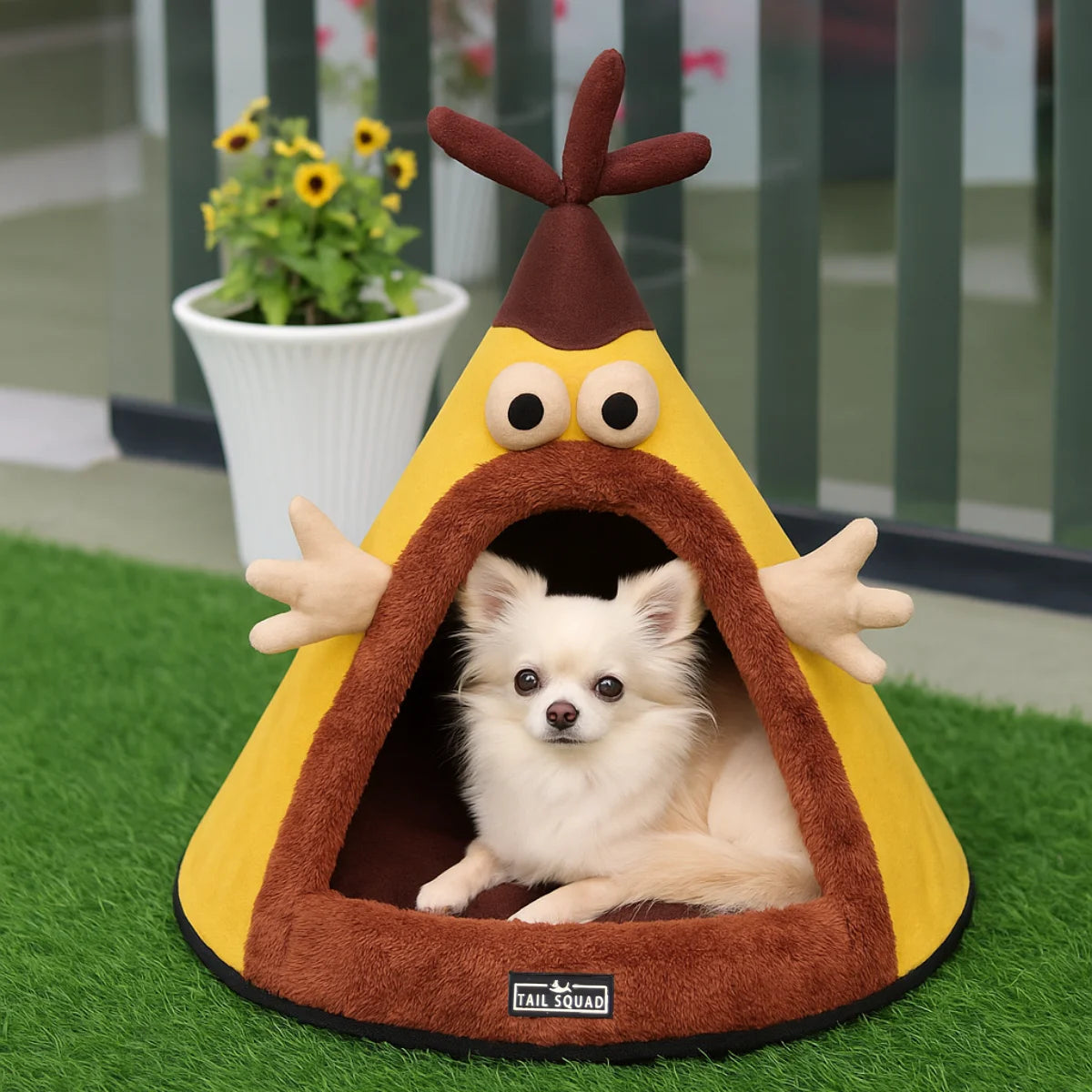

So, how much do dogs sleep? Many adult dogs sleep around 12 to 14 hours in a 24-hour period. Puppies, large breeds, and senior dogs can sleep longer. Very active dogs may also rest more after exercise.
If you are wondering how many hours do dogs sleep, look at your dog’s usual routine as well as the number of hours. A healthy dog should wake up easily, show interest in food and play, and behave normally when awake.
● How Much Sleep Do Puppies Need?
Puppies are growing quickly, so sleep is especially important. It is common for a young puppy to sleep 18 to 20 hours a day, often in several naps.
This means how many hours a day do dogs sleep can change a lot during the first year. A puppy may play for a short time, eat, explore, and then fall asleep again.
Why Do Dogs Sleep So Much?
People often ask, why do dogs sleep so much? Dogs use sleep to recover from activity, support normal body functions, and process what they experience during the day.
Your dog’s dog daily sleep pattern can also depend on its lifestyle. A dog that enjoys long walks, training sessions, or active play may take longer naps afterwards. A calm indoor dog may sleep because there is little happening around it.
Your dog’s breed can affect how much rest it needs. For example, Labradors often settle down for a nap after a walk or some playtime. Border Collies usually need more exercise and things to keep their minds busy before they feel ready to relax. French Bulldogs tend to take breaks more often and may spend a lot of time resting after a short walk.
If you wonder why does my dog sleeps so much, check for other changes. Loss of interest in food, unusual tiredness, weight changes, pain, or a change in normal behaviour can be reasons to contact a vet.
Understanding Dog Sleeping Positions
Dogs use many positions when they rest. Their posture can change depending on temperature, comfort, surroundings, and how deeply they are sleeping.
Here are some common dog sleeping positions and what they may suggest:
- Curled Up
Some dogs like to tuck their body in and sleep with their legs close to them. This can help them hold on to body heat and feel protected. You may also see this position when your dog is resting somewhere unfamiliar.
- On the Side
When a dog lies on its side, it usually means they feel calm and comfortable. Their body can relax more freely in this position. Small paw movements or light twitching may happen while they are in a deep sleep.
- On the Back
Why do dogs sleep on their backs? A dog may sleep this way when it feels safe and relaxed. The position can also help a dog cool down because the less furry belly is exposed to the air.
- Against You
A dog may choose to sleep close to its owner because it feels secure. Why does my dog sleep on me? Your body warmth, scent, and familiar presence can all make the spot appealing.
Likewise, why do dogs sleep at your feet? Your feet may offer a familiar place where your dog can stay close without being in the middle of the bed.
What Do Dog Sleeping Positions Mean?
The dog sleeping positions meaning is not always the same for every dog. A single position does not tell you exactly how a dog feels.
Instead, look at the whole picture. A relaxed face, loose body, normal breathing, and easy movement after waking usually suggest comfortable rest. A stiff body, repeated waking, whining, or signs of pain may mean something else.
Why Does My Dog Sleep in Strange Places?
Dogs mainly choose a place to sleep where they feel safe and comfortable. They always look for a warm spot, a quiet corner, or simply return to the same place out of habit.
Why does my dog sleep between my legs? Your dog may enjoy the warmth and feeling close to you. It can also become a regular sleeping habit if your dog feels safe and relaxed there.
Why does my dog sleep under my bed? Under-bed spaces can feel dark, quiet, and protected.
If your dog suddenly hides and sleeps away from everyone, pay attention to other behaviour changes. A new hiding habit can sometimes be linked to stress, fear, pain, or feeling unwell.
Can Dogs Sleep With Their Eyes Open?
You may notice dog sleeping with eyes open, especially during light sleep. Some dogs keep their eyes partly open or show a small amount of the third eyelid.
So, do dogs sleep with their eyes open? Yes, some do. It does not automatically mean there is a problem.
However, if the eyes stay open for long periods, look irritated, become red, or your dog seems uncomfortable, ask a vet for advice.
Why Do Dogs Move, Bark or Twitch in Their Sleep?
Sleep can look surprisingly active. Dogs may move their paws, twitch their face, make small sounds, or change position.
Dog twitching in sleep is often linked to normal dream activity. Puppies may twitch quite a lot because they spend more time in active sleep.
So, why does my dog twitch in his sleep? Small movements can happen as the brain remains active during certain sleep stages.
You may also hear dog barking in sleep, whimpering, or soft noises. Why do dogs bark in their sleep? Dogs can vocalise during dreams, just as people may make sounds while dreaming.
Some dogs may even show dog howling in sleep.
Avoid waking a sleeping dog suddenly, especially if it is deeply asleep. A startled dog can react without meaning to.
Dog Breathing Fast While Sleeping
A dog may breathe faster during active sleep, particularly after dreaming or after a busy day. You may notice changes in breathing speed, small movements, or quiet sounds at the same time.
Dog breathing fast while sleeping should be watched more closely if the breathing stays fast, looks difficult, or comes with coughing, weakness, pale or blue gums, or other unusual signs.
If your dog’s breathing looks strained or your pet seems distressed, seek veterinary care promptly.
Building a Healthy Dog Sleep Routine
A regular dog sleep routine can make rest easier. Try to give your dog a quiet sleeping area away from heavy household traffic.
A suitable dog bed can also support good rest. On Dog Beds, you can compare bed styles based on your dog’s size, sleeping habits, and preferred position. Tail Squad also offers dog bed options that may suit different home routines, so check the product details, size, and materials before choosing.
Keep the sleeping area clean and make sure your dog has enough room to stretch, curl up, or change position. A Great Dane needs much more space than a Chihuahua, while a Dachshund may prefer a bed that supports its long body.
Dog Sleep Problems and Trouble Sleeping
Most dogs settle into a regular pattern, but dog sleep problems can happen. Signs may include repeated waking, pacing at night, whining, restlessness, or difficulty settling.
Dog trouble sleeping may be linked to noise, changes at home, lack of activity, an uncomfortable sleeping area, stress, or health problems.
Senior dogs may also wake more often. Changes in vision, hearing, movement, or normal sleep patterns can affect their nights.
If your dog’s sleep changes suddenly or continues to cause problems, speak with a vet. Keeping notes about bedtime, naps, exercise, food, and unusual behaviour can help explain the pattern.
Sleeping With Dogs: Is It Right for You?
Sleeping with dogs is a personal choice. Some owners enjoy having their dog nearby, while others prefer a separate sleeping space.
A separate dog bed placed near your bed can be a useful middle ground. Your dog can stay close while still having its own space.
FAQs
1. How many hours do dogs sleep each day?
There is no fixed amount of dog sleep that suits every dog. Many adult dogs rest for-12 to 14 hours over a full day, while puppies and senior dogs often spend even more time sleeping. Breed, age, exercise, and daily habits can all affect how much rest your dog needs.
2. How long do dogs sleep at night?
Dogs may sleep for several hours at night, but they do not always stay asleep the entire time. They can wake up briefly, change their dog sleeping position, move around, and settle back down.
3. Why do dogs sleep so much after exercise?
Exercise uses both physical and mental energy, so it is normal for dogs to sleep more after a long walk, play session, or training. And if your dog is active and alert when awake, extra dog sleeping time after exercise is usually not a concern
.
4. Why does my dog sleep on me?
Your dog might climb onto you at bedtime because they like the warmth that you give and feel comfortable around you. Your scent can also be familiar to them, which may help them settle. For some dogs, this simply becomes a regular part of their sleeping habits.
5. Do dogs sleep with their eyes open?
Yes, some dogs may sleep with their eyes partly open. This can happen during different stages of dog sleep. If your dog’s eyes look red, dry, painful, or irritated, it is best to speak with a vet.
6. What are common dog sleep problems?
Common dog sleep problems can include pacing at night, waking up often, whining, restlessness, or a sudden change in normal dog sleeping habits. If these changes continue or happen along with other unusual behaviour, contact your vet.
Helping Your Dog Sleep Better
Good sleep is an important part of a dog’s daily life. From puppies that nap for hours to senior dogs that need extra rest, sleep needs change with age, breed, health, and activity.
Learning about dog sleeping positions, sounds, movements, and routines can help you understand your pet better. Most unusual sleep habits are harmless, but sudden changes should not be ignored.
A quiet space, suitable exercise, a regular routine, and a comfortable bed can all help your dog rest well. With the right setup, Dog Beds can help you find a sleeping option that fits your dog’s size and habits.