
Understanding your dog can make life easier and build a stronger bond. Every dog has its own habits, body language, fears, and ways of showing excitement. Good dog behaviour starts with learning what your dog is trying to tell you.
Some actions are normal, while others may point to stress, fear, boredom, poor training, or a health concern. This guide from Dog Beds explains common dog behaviour problems, puppy habits, aggression, anxiety, reproductive changes, and breed traits.
Understanding Dog Behaviour
The behaviour of dogs can change with age, breed, training, health, and experience. A dog may bark when excited, hide when scared, or chew things when bored.
Shop the collection

Understanding dog behaviour means looking at what happens before, during, and after an action. A dog that growls when someone reaches for its food may be guarding it. A dog that jumps on visitors may have learned that jumping gets attention.
Good dog behaviour and training helps your dog learn what to do. Use rewards, praise, play, exercise, and clear rules each day.
Dog Behaviour Problems and Behaviour Changes
Dog behaviour problems can appear at any age. Some start during puppyhood, while others develop later in life.
A sudden dog behaviour change needs attention, especially if a calm dog becomes fearful, restless, withdrawn, aggressive, or destructive. Changes in dog behaviour may happen after a move, a new pet, a change in routine, or a stressful event.
Pain and illness can also affect behaviour. If your dog shows abnormal dog behaviour without a clear reason, speak with a vet before assuming the problem is only about training.
For ongoing problem behaviour in dogs, a qualified trainer can help find triggers and build a safe plan. Dog behaviour specialists and dog behaviour therapists may use simple exercises to help change unwanted habits.
Aggressive Dog Behaviour
Aggressive dog behaviour can include growling, snapping, lunging, showing teeth, stiff body posture, or biting. Aggressive behaviour in dogs may be linked to fear, pain, guarding food or toys, frustration, territorial behaviour, or past experiences.
Signs of aggressive behaviour in dogs can appear before a bite. A dog may freeze, stare, raise its hackles, growl, or try to move away.
Aggressive behaviour in puppies should be taken seriously, but playful biting is not always true aggression. Puppies use their mouths to explore and need calm, steady training.
If your dog shows sudden aggressive behaviour in dogs toward people or other pets, avoid punishment or forced contact. Keep everyone safe and seek help from a vet or qualified behaviour professional.
Aggression towards other dogs can be improved with safe distance and calm, gradual training. Dog training aggressive behaviour should focus on finding the cause and rewarding calm responses. If you are unsure how to stop aggressive behaviour in dogs, a qualified behaviour professional can create a safe plan using suitable behaviour modification techniques for dogs.
Anxiety, Fear and Submissive Behaviour
- An anxious dog behaviour may include pacing, panting, shaking, hiding, barking, whining, or trying to escape. Anxious behaviour in dogs can develop around loud sounds, unfamiliar people, travel, separation, or new places.
- Dog behaviour anxiety may become more noticeable when a dog has no safe place to rest. A quiet area can help your dog settle during busy times.
- Submissive behaviour in dogs may include lowering the body, avoiding eye contact, holding the ears back, licking a person’s face, or rolling onto the back. Submissive dog behaviour can be a way to reduce tension.
- Some dogs also show appeasement behaviour in dogs, such as turning the head away or moving slowly when they feel unsure.
- Displacement behaviour in dogs happens when a dog performs an unrelated action during a stressful moment. This may include yawning, sniffing, licking, or scratching. Displacement behavior in dogs can give owners clues about stress.
Common Dog Behaviours
Dogs perform many actions that may look strange to people but have a reason.
Mounting and Humping
Dog mounting behaviour can happen during play, excitement, stress, or social interaction. Mounting behaviour in dogs is not always sexual. Both male and female dogs may mount.
Dog humping behaviour can become a habit if it gets attention. Calmly guiding the dog to another activity can help.
Licking
Dog licking behaviour may be linked to affection, grooming, taste, attention, or stress. Dog behaviour licking can become a concern when a dog keeps licking itself, another animal, or an object.
Chasing
Dogs chasing cars, bikes, and other animals can be very risky. This habit may come from a dog’s natural urge to chase. A safe space and some practice makes a big difference. With time, your dog can learn to stop, stay focused, and come back when you call.
Dominance
Terms such as dog dominant behaviour and dominant dog behaviour are often used for pushy actions. However, many actions once called dominance are better explained by learning, fear, excitement, guarding, or competition.
Dominance behaviour in dogs should not be a reason for harsh punishment. Training should focus on the action and its cause.
Destructive Behaviour
Destructive dog behaviour may include chewing furniture, digging, tearing bedding, or damaging doors. Destructive behavior in dogs can result from boredom, excess energy, stress, or a lack of suitable activities.
Some dogs weird behaviour can simply be normal canine habits. Sniffing, rolling on grass, chasing a tail, or sleeping in odd positions may look strange but are often harmless.
Dog Behaviour During Heat and Reproductive Changes
Hormonal changes can affect behaviour. Dog behaviour in heat may include restlessness, seeking attention, more frequent urination, licking, or interest in male dogs.
Dog behaviour on heat can vary between dogs. During the cycle, female dog behaviour in heat may change as hormone levels shift. Keep a female dog secure and away from unwanted mating.
Dogs behaviour during heat can also include changes in appetite or activity.
After surgery, behaviour may change for a short time. Dog behaviour after spaying and dog behaviour after neutering can vary with the dog, recovery, age, and past habits. Monitor your dog while it heals.
Pregnancy can also bring physical and behaviour changes. Behaviour of a pregnant dog may include more rest, changes in appetite, nesting, or seeking more attention. A vet should guide care during pregnancy.
Puppy Behaviour and Development
Puppy behaviour changes quickly during the first year. Puppies are learning how to interact with people, animals, objects, and their surroundings.
Common puppy behaviour problems include biting, chewing, barking, jumping, toilet accidents, and poor impulse control. These habits need patient training rather than harsh corrections.
At around six months, 6 month old puppy behaviour may become more challenging as a puppy gains confidence and tests limits. Similar changes can appear in 7 month old puppy behaviour, 8 month old puppy behaviour, 9 month old puppy behaviour, and 10 month old puppy behaviour.
Training should stay consistent during these stages. Short sessions, rewards, exercise, social learning, and enough rest can make training easier.
Aggressive behaviour in puppies should be checked carefully, especially if a puppy bites hard, guards food or toys, or reacts strongly to people or animals.
Breed-Specific Dog Behaviour
Breed can play a part in a dog’s natural habits, but no two dogs are exactly alike. Age, training, daily exercise, socialisation, and past experiences can all affect how a dog behaves.
- German Shepherd: German Shepherd dog behaviour is often alert, loyal, intelligent, and active. They may have strong protective instincts and need early socialisation. If German Shepherd dog aggressive behaviour develops, the cause should be understood first.
- Labrador: Labrador dog behaviour is often friendly, playful, social, and eager to interact with people. The behaviour of Labrador dogs can be more energetic when young, so chewing and jumping may need patient guidance.
- Rottweiler: Rottweiler dog behaviour can include confidence, loyalty, and protective instincts. Good socialisation and steady training can help them respond calmly to people and animals.
- Husky: Husky behaviour problems can include digging, escaping, pulling, loud vocalising, and chewing. These habits may get worse when a Husky lacks exercise or mental activity.
- Doberman: Doberman dog behaviour is often alert, intelligent, and energetic. They tend to stay close to their family and can do well with regular exercise, calm training, and early socialisation.
- Beagle: Beagle dog behaviour is strongly linked to their excellent sense of smell. They may focus on scents during walks. Beagle behaviour can improve with recall training and rewards.
- Border Collie: Border Collie behaviour is often active, smart, and focused. They have a strong herding instinct and need daily exercise and fun activities.
- Whippet: Whippet behaviour problems can include chasing, not liking to be alone, or reacting badly to rough handling. Gentle training and a calm routine can help.
- Akita: Akita behaviour is often quiet, strong-willed, and independent. They can be unsure around strangers or other dogs, so gentle training and early socialisation can help them feel more at ease.
- Bernese Mountain Dog: These dogs are often gentle, friendly, and loving. Their Bernese Mountain Dog behaviour is usually calm and family-focused, and they respond well to kind, positive training.
Good dog training and behaviour go hand in hand. Training teaches your dog what to do, while behaviour training helps you understand why it acts in a certain way.
Simple steps can help your dog build better habits:
- Reward calm behaviour.
- Keep a regular daily routine.
- Give your dog enough exercise.
- Add play and mental activities.
- Teach basic cues and recall.
- Give your dog a quiet place to rest.
- Avoid harsh punishment.
- Try to prevent known triggers.
Dog behaviour classes, and dog behaviour courses can also help owners learn the right training methods. For harder problems, a qualified professional can offer one-to-one support.
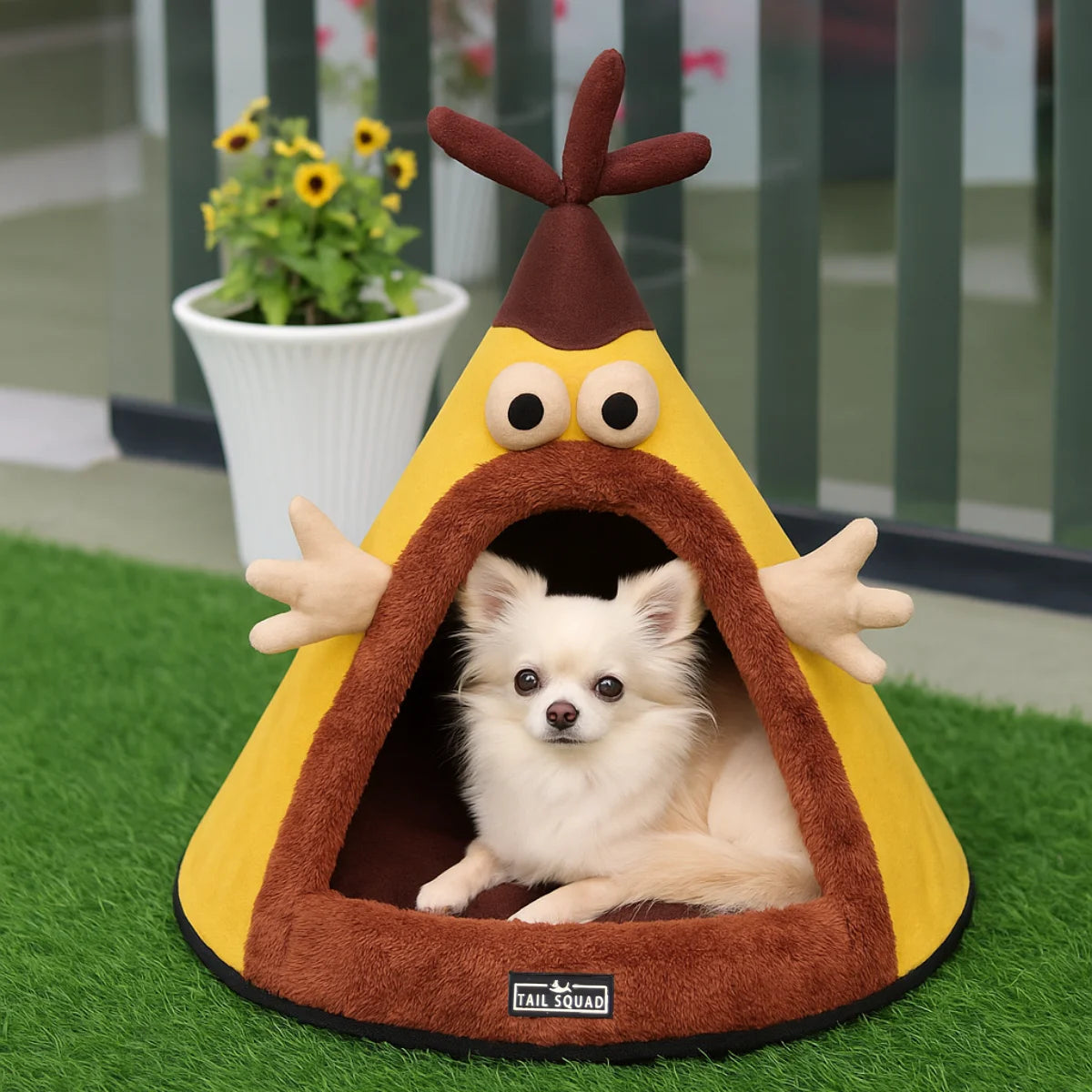
For an affiliate pet website such as Dog Beds, a suitable resting space can be part of a dog’s daily routine. Tail Squad products can be considered when choosing dog beds and other pet items, with the size and design matched to the dog’s needs.
When to Get Professional Help
Getting expert help is a good idea if your dog’s actions become unsafe, change quickly, or are difficult to handle. If your dog bites, fights with other animals, shows strong fear, guards food or toys, or shows a clear dog behaviour change, talk to a vet or behaviour expert.
A vet can first check for pain or illness. A qualified behaviour professional can then help create a safe plan.
The goal is not to make every dog behave in the same way. Good dog behaviour means helping your dog feel safe, learn useful skills, and live well at home.
FAQs
1. What are common dog behaviour problems?
Common dog behaviour problems include barking, chewing, jumping, digging, chasing, mounting, anxiety, fear, and aggression. Look at the cause before choosing a training method.
2. How can I manage aggressive dog behaviour?
Aggressive dog behaviour should be handled with care. Do not punish your dog or force it into situations that cause a reaction. Keep everyone at a safe distance and speak with a vet or trained behaviour expert for help.
3. Why has my dog’s behaviour suddenly changed?
A dog behaviour change can result from stress, changes at home, ageing, fear, pain, or illness. A sudden change should be discussed with a vet, especially if other unusual signs appear.
4. Why does my dog show mounting behaviour?
Mounting behaviour in dogs can happen because of excitement, play, stress, habit, or sexual behaviour. Calm redirection and suitable training can help reduce unwanted mounting.
5. Is puppy behaviour different from six to ten months?
Yes. 6 month old puppy behaviour is different as the puppy becomes more independent as they grow. Regular training, exercise, and a steady routine can make this stage easier.
6. When should I contact a dog behaviour specialist?
If your dog’s behaviour is unsafe, severe, or difficult to understand, dog behaviour specialists can help. Dog behaviour therapists can find the cause and suggest a suitable plan.
Summary
Breed traits can influence dog behaviour, but every dog is unique. Training, socialisation, exercise, and a steady routine can help support healthy behaviour in every breed.