
Dogs cannot talk like people, but they still have many ways to communicate. They use sounds, body language, facial expressions, and even smells to show how they feel. They may use these signs when they are happy, scared, worried, excited, or curious. Understanding dog communication can help you know what your dog is trying to tell you and what it needs.
Canine communication is not based on one signal. Dogs use many signals at the same time. A wagging tail may show excitement, but it does not always mean a dog is happy. You need to look at the whole body, the setting, and what happens next.
For dog owners, learning dog language is useful during training, play, walks, and daily life. It can also help you spot signs of stress before they turn into a bigger problem.
Shop the collection

What Is Dog Communication?
Dog communication is the way dogs share information with other dogs, people, and sometimes other animals. They use sounds, body movements, facial expressions, scents, and touch.
Dog body language is often the clearest part of this system. A relaxed dog may have soft eyes, a loose body, and natural ear and tail positions. A worried dog may turn its head away, lick its lips, lower its body, or try to move away.
Dogs also use scent in ways humans cannot easily notice. Smelling another dog can give information about identity and other details. This is one reason dogs spend so much time sniffing on walks.
How Do Dogs Communicate?
If you ask how do dogs communicate, the answer is through a mix of signals rather than one form of speech. Common forms include:
- Barking, growling, whining, and other sounds
- Tail, ear, and body movements
- Eye contact and facial expressions
- Scent and urine marking
- Touch and physical contact
- Movement, posture, and distance
The meaning of a signal can change with the situation. A bark at the front door may mean something different from a bark during play. A growl can be a warning, but it can also occur during some forms of play.
Do Dogs Communicate With Each Other Through Barking?
Yes, barking can be part of dog-to-dog communication, but dogs do not rely on barking alone. They also use posture, facial signals, scent, movement, and other sounds.
For example, one dog may bark when another dog comes close. The other dog may answer with a bark, move away, stand still, or show a relaxed play posture. Looking at the full interaction gives you a better idea of what each dog is saying.
How Do Dogs Communicate With Each Other?
How do dogs communicate with each other? Dogs use a rich mix of visual, sound, scent, and touch signals.
A play bow is a well-known example. A dog lowers the front of its body while keeping the rear raised. This can signal an invitation to play. Dogs may also circle, sniff, follow, pause, or change their body position during an interaction.
Dogs can also use calming signals. Turning the head away, slowing down, licking the lips, or creating more space may show that a dog feels unsure or wants to reduce tension.
Can Dogs Communicate With Each Other?
Yes, dogs can communicate with each other very well. Their signals may be subtle, so humans can miss them.
Dog-to-dog communication helps dogs decide how close to stand, when to play, when to stop, and when to move away. Good social skills develop through safe experiences with suitable dogs.
Not every dog wants to meet or play with other dogs. If a dog moves away or avoids contact, it is showing that it needs space. Giving the dog room can help it feel safe and avoid stress or fights.
Understanding Dog Body Language
Dog body language is one of the best tools for reading your pet. Always look at several body parts together.
Relaxed Signs
- Loose muscles
- Soft eyes
- Natural ears
- A relaxed mouth
- Easy, flowing movement
Signs of Stress or Worry
- Yawning when not tired
- Lip licking
- Turning away
- Crouching or freezing
- Tucked tail
- Ears held back
- Trying to hide or leave
Signs of High Excitement or Tension
- Stiff body
- Fixed stare
- Raised hackles
- Fast movement
- Strong barking or growling
A wagging tail can mean different things, not just happiness.
A relaxed, gentle wag can show that a dog is friendly or excited. But a high, stiff tail may show tension or alertness. Look at the dog’s whole body and behaviour instead of judging its mood by the tail alone.
How Do Dogs Communicate With Humans?
Dogs learn that people respond to certain sounds and actions. Over time, they may use barking, whining, staring, nudging, pawing, bringing objects, or standing near a door to get a message across.
Dogs also watch human body language. They can learn routines and notice changes in tone, movement, and facial expression.
Clear communication works both ways. If you want your dog to understand you, use short cues, calm movements, and rewards for the behaviour you want. Avoid changing the meaning of a cue from one day to the next.
How to Communicate With Dogs
Knowing how to communicate with dogs starts with paying attention. Watch what your dog does before, during, and after a situation.
Use simple cues such as “sit,” “come,” or “leave it.” Say the cue once, then give your dog a chance to respond. Reward the correct response soon after it happens.
Do not force contact when a dog shows signs of fear. Give your dog space and allow it to approach when ready. During training, keep sessions short and positive.
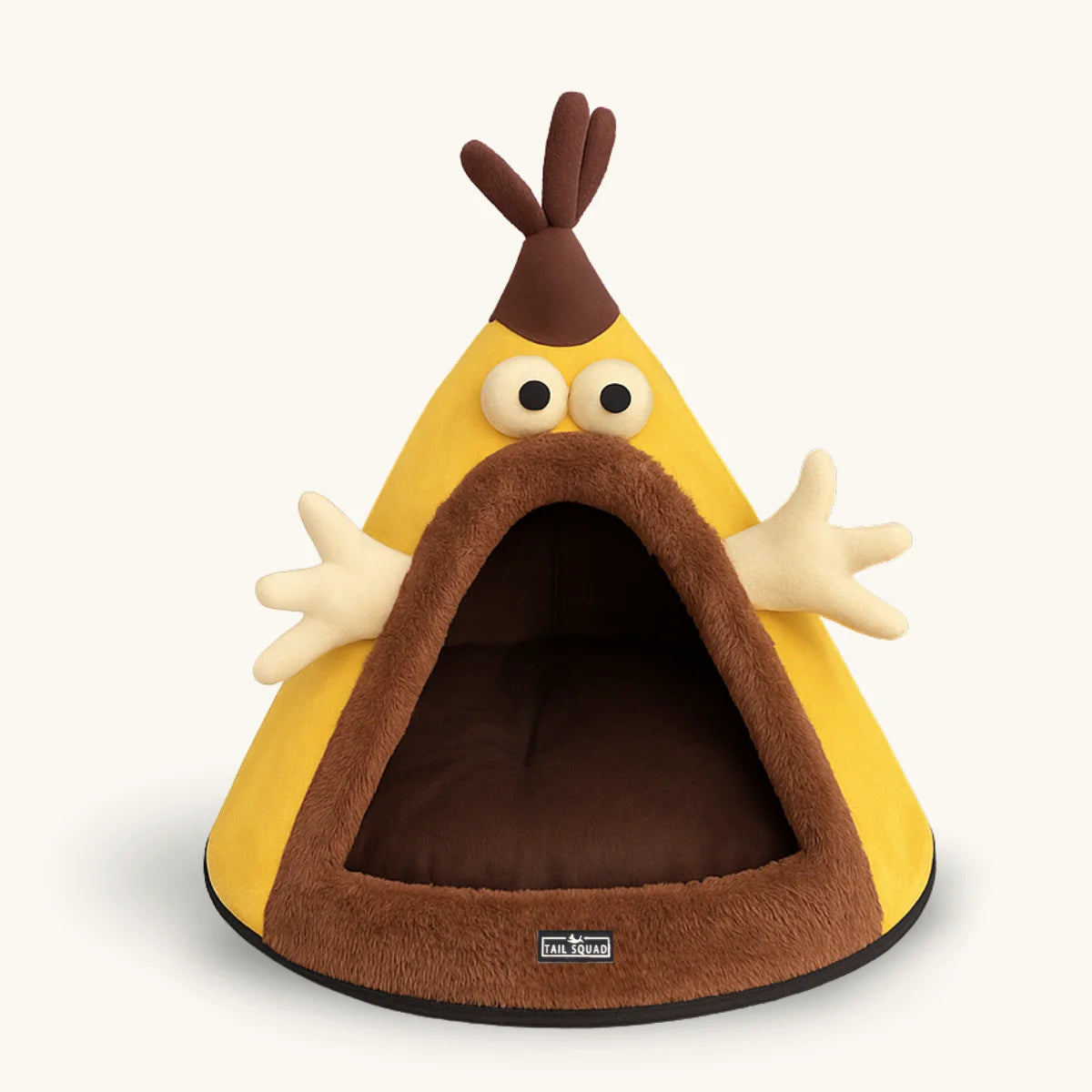
A comfortable resting place also matters. A good dog bed gives your dog a clear place to relax after play, walks, and training. Dog Beds can help owners choose bedding that suits their dog’s size and daily needs.
What Are Dog Communication Buttons?
Dog communication buttons are recordable buttons that play words or sounds when a dog presses them. Owners may teach buttons for simple words such as “outside,” “food,” “play,” or “water.”
Communication buttons for dogs can be useful as a training activity. However, button use should be viewed as a learned way to request or respond, not as proof that a dog understands human language in the same way people do.
Dog button communication can work better when you keep things simple and consistent. For example, if your dog presses an “outside” button, use it when it is time to go outside. Your dog may need some time to understand the buttons, and some dogs may not be interested in using them at all.
A dog communication device can be one tool among many. It should not replace attention to normal body language, sounds, and behaviour.
How to Communicate With a Deaf Dog
If you want to understand how to communicate with a deaf dog may take time, patience, and a few simple changes in the way you interact. Visual signals, hand signs, touch cues, and light-based attention signals can help.
Teach one clear hand signal for each behaviour. Reward your dog when it responds correctly. Be careful when approaching from behind because a deaf dog may startle if touched without warning.
Make sure everyone in the home uses the same signals. Consistency helps a deaf dog learn what each cue means.
Can Dogs Communicate With Cats?
The question can dogs communicate with cats does not have a simple yes-or-no answer. Dogs and cats have different communication systems, but they can learn to read some signals from each other.
A dog may understand a cat’s hiss or raised paw as a sign to back off. A cat can also learn that a calm dog is safe to be around. Much of their communication comes from body language, the way they move, the space they keep, and what they have learned from past encounters.
Supervise early interactions. Give both animals places to retreat, and never force them to stay close together.
Helping Dogs Communicate Safely
Good communication is easier when dogs feel safe. Give your dog time to rest, regular exercise, mental activities, and a quiet place to settle.
Watch for changes in behaviour. A sudden increase in barking, hiding, growling, or avoidance may have many causes. If a behaviour change is sudden, severe, or linked to pain or fear, speak with a qualified veterinary professional or behaviour specialist.
Avoid punishing warning signals such as growling. A growl can give you useful information that a dog is uncomfortable. Instead, create distance and work on the cause of the problem.
Tail Squad and Dog Communication
If you are looking for dog products that support daily routines, Tail Squad offers options for dog parents. For the Dog Beds website, product choices should always match your dog’s size, sleeping style, activity level, and comfort needs.
The right bed can help your dog settle into a regular routine, but it is not the only thing that matters. Daily training, play, rest, time with others, and good communication all help your dog feel comfortable and well cared for.
FAQs
1. How Do Dogs Communicate With One Another?
Dogs share messages in many different ways. They may make sounds, move their bodies, use facial cues, pick up scents, or use light physical contact. Dog-to-dog communication helps them understand when to interact, give each other space, or move away.
2. Can dogs communicate with each other?
Yes. Can dogs communicate with each other is a common question, and dogs have many ways to share signals. Humans may miss some of these signals because they can be very subtle.
3. Do dogs communicate with each other through barking?
Yes, barking is one part of do dogs communicate with each other through barking? Dogs also use posture, scent, facial expressions, and movement, so barking should not be read on its own.
4. What are dog communication buttons?
Dog communication buttons are recordable buttons that play a word or sound when pressed. They can be used as a training tool to help a dog make simple requests.
5. How do I learn how to communicate with dogs?
To learn how to communicate with dogs, watch your dog’s body language and use clear, consistent cues. Reward wanted behaviour and give your dog space when it looks worried or uncomfortable.
6. Can dogs communicate with cats?
Yes, dogs can communicate with cats is possible in a basic sense. Dogs and cats can learn each other’s signals, especially around distance, fear, play, and boundaries.
Conclusion
Dog communication is much more than barking. Dogs use sounds, scent, facial expressions, posture, movement, and touch to share information. Learning these signals can help you understand your dog’s needs and make daily interactions easier.
Look at your dog’s behaviour as a whole rather than focusing on one sign. A wagging tail, bark, or growl can mean different things depending on what is happening around the dog. With regular training and a little patience, you can understand your dog better and build a stronger connection.