
Every dog has its own way of acting. Some dogs happily greet new people, while others need time to feel safe around them. Some love games, walks, and outdoor fun. Others enjoy a short walk and lots of rest. Paying attention to your dog every day can help you understand them better and to learn what they like the most.
Learning about dog personality can help you choose a breed that fits your home and daily life. It can also help you understand your current dog better. A dog’s breed, age, training, early life, and home life can all shape behavior.
What Shapes a Dog’s Personality?
Dog breed personalities often start with traits linked to a breed’s history. A herding dog may be alert and active. A hunting breed may love to sniff and chase. A companion dog may want to stay close to its family.
Shop the collection

Still, breed is not the whole story. Dogs from the same breed can still have very different personalities. Their behavior can be shaped by training, daily exercise, social experiences, health, and things they have gone through in the past.
This is why dog breeds and personalities should be viewed as a guide, not a rule. The best way to know the personality of dogs is to watch each dog as an individual.
Common Dog Personality Traits
Dogs by personality can be grouped into a few broad types:
- Friendly and outgoing: These dogs like to be around people, playing, and spending time with the family.
- Quiet and gentle: They often enjoy peaceful surroundings, easy walks, and plenty of rest.
- Energetic and playful: These dogs need daily exercise and activities so that they can be busy.
- Watchful and protective: They are cautious around new people and notice every single change around the home.
- Independent: They are often happy having some time to themselves and may not always want attention.
- Loyal and sensitive: These dogs can form strong bonds with their family and usually do best with gentle, patient training.
Every dog has a mix of different traits. One may be cheerful and playful at home but reserved with new people. Another might spend most of the day resting indoors and become active as soon as it goes outside.
Dog Personality by Popular Breeds
● Shih Tzu
The Shih Tzu personality is usually friendly, cheerful, and closely attached to its family. Shih Tzus often enjoy being around people and getting plenty of attention. Their Shih Tzu temperament can be gentle and affectionate. Meeting new people and experiencing different places from a young age can help them become more comfortable in new situations.
● Cavalier King Charles Spaniel
Cavalier dogs are often gentle, cheerful, and affectionate. The cavalier king charles spaniel temperament suits homes that enjoy close companionship. Cavalier dog personality can include a playful side. These dogs also enjoy quiet time with family.
● Rhodesian Ridgeback
The Rhodesian Ridgeback temperament is confident, loyal, and self-reliant. These dogs may be cautious around unfamiliar people and prefer to take their time before warming up.
● Jack Russell Terrier
Jack Russells are bright, bold, and very active. Jack russell terrier temperament often includes a strong chase instinct. Their jack russell personality can be funny and loving. They need games, walks, and clear rules.
● Dachshund
Dachshunds are curious, lively, and brave. Dachshund personality can be stubborn at times, especially when they find an interesting scent. Dachshund temperament also reflects their hunting past. Digging and chasing can be common.
● Chihuahua
The Chihuahua temperament can be quite varied. Some are gentle and calm, while others are lively, confident, and full of character. Chihuahua dog personality often include a strong attachment to their favourite people. Early socialisation and patient training can help them feel more at ease around strangers and new situations.
● Labrador Retriever
The labrador retriever personality is usually friendly, playful, eager to learn, and social. Labs often enjoy games, walks, and family activities.
● Golden Retriever
Golden retriever personality is often gentle, friendly, patient, and eager to please. Goldens usually enjoy people and other dogs. They also need daily exercise and mental play.
● Corgi
Corgi personality is playful, curious, and confident. Corgis are smart and alert dogs that may bark a lot. Short training sessions and daily exercise help keep them happy and well-behaved.
● Shiba Inu
The Shiba Inu personality is very confident, alert, and independent. Shibas are loyal dogs while still enjoying their own space. They may be cautious with strangers and respond well to calm, patient training.
● Poodle
Poodle personality is smart, active, alert, and people-focused. Poodles are fast learners and enjoy training related games.
● Pitbull
Pitbull personality is often affectionate, playful, and people-oriented when well socialized and trained. Individual dogs can differ greatly. Behavior should be judged by the dog, not only by a label.
● Beagle
The beagle personality is usually friendly, curious, and playful. Beagle personality traits include a strong nose and a love of exploring. Beagle character traits may also include persistence when a scent catches their attention.
● Cocker Spaniel
Cocker Spaniel personality is cheerful, gentle, and affectionate. Cocker Spaniel traits include plenty of energy and a strong bond with family.
● Pug
Pug temperament is often friendly, social, playful, and affectionate. Pugs usually enjoy human company and steady attention.
● Yorkie
Yorkie personality can be lively, confident, alert, and affectionate. Despite their small size, Yorkies often have a bold nature.
● Pomeranian
Pomeranian personality is often lively, alert, smart, and confident. Pomeranian traits can include vocal behavior and a strong interest in what is happening around them.
● German Shepherd
The German shepherd personality is often loyal, focused, confident, and protective. These dogs need training, exercise, and mental tasks.
● Border Collie
Border collie personality is usually bright, focused, energetic, and eager to work. Border collie characters often show their strong need for tasks and movement. They may become bored without enough activity.
● Husky
Husky personality is friendly, and full of energy. Huskies enjoy long walks, outdoor play, and exploring new places. They also have an independent side. Strong recall skills and secure outdoor spaces can help keep them safe.
● Rottweiler
Rottweiler personality is loyal, calm, and confident. Rottweilers can be protective of their family and form strong bonds with them. Clear training and early socialisation can help them behave well around people and other dogs.
● Great Dane
A great dane personality is often gentle, friendly, calm, and people-focused. Their large size makes good manners and early training useful.
● Great Pyrenees
Great pyrenees personality is often calm, patient, independent, and watchful. They were bred to guard livestock. They may stay alert to new sounds and people.
● Bernese Mountain Dog
Bernese mountain dog personality is often gentle, loyal, calm, and affectionate. Bernese mountain dog personality traits can include patience and a strong bond with family.
● Akita
Akita personality is often quiet, loyal, dignified, and independent. Akita inu personality can include reserve around strangers. The american akita personality may also show confidence and a strong protective instinct.
● Aussie and Australian Shepherd
Aussie personality is often energetic, smart, loyal, and ready to work. Aussie shepherd personality and australian shepherd personality are often linked with focus and high activity.
Australian shepherd dog traits may include quick learning and a need for daily tasks.
Australian shepherd temperament can be sensitive, so kind and steady training works well.
● Australian Cattle Dog
Australian cattle dog personality is often alert, loyal, bold, and energetic. Australian cattle dog personality traits include strong drive and problem-solving skills.
Blue heeler personality is similar because it’s another name for Australian Cattle Dog.
● Belgian Malinois
Belgian shepherd malinois temperament is often alert, intense, driven, and highly trainable. This breed needs skilled training, daily work, and plenty of mental activity. It may not suit a low-activity home.
● Black Labrador
Black labrador traits are not a separate personality type from other Labrador Retrievers. Coat color does not decide behavior.
● Black Mouth Cur
Black mouth cur temperament can be confident, active, loyal, and protective. Black mouth cur personality may vary based on breeding, training, and early social time.
● Boxer
Boxer breed personality is often playful, loyal, alert, and affectionate. Boxer dog personality can stay puppy-like for a long time. Regular exercise and training can help channel their energy.
Can a Dog Personality Test Predict Behavior?
A dog personality test can be fun, but it should not be treated as a perfect answer. A dog breed personality test or dog breed personality quiz may suggest traits linked to a breed. It cannot fully predict one dog’s behavior.
Use tests as a starting point. Watch how the dog reacts to people, dogs, sounds, new places, food, toys, and handling. A qualified trainer can help when a dog shows fear, aggression, or other serious behavior concerns.
Choosing a Dog by Personality
Do not choose a dog by its look only. Think about your routine first that you follow daily. How much time can you give your dog? How much exercise can you provide? Also, look at your home, free time, and training experience.
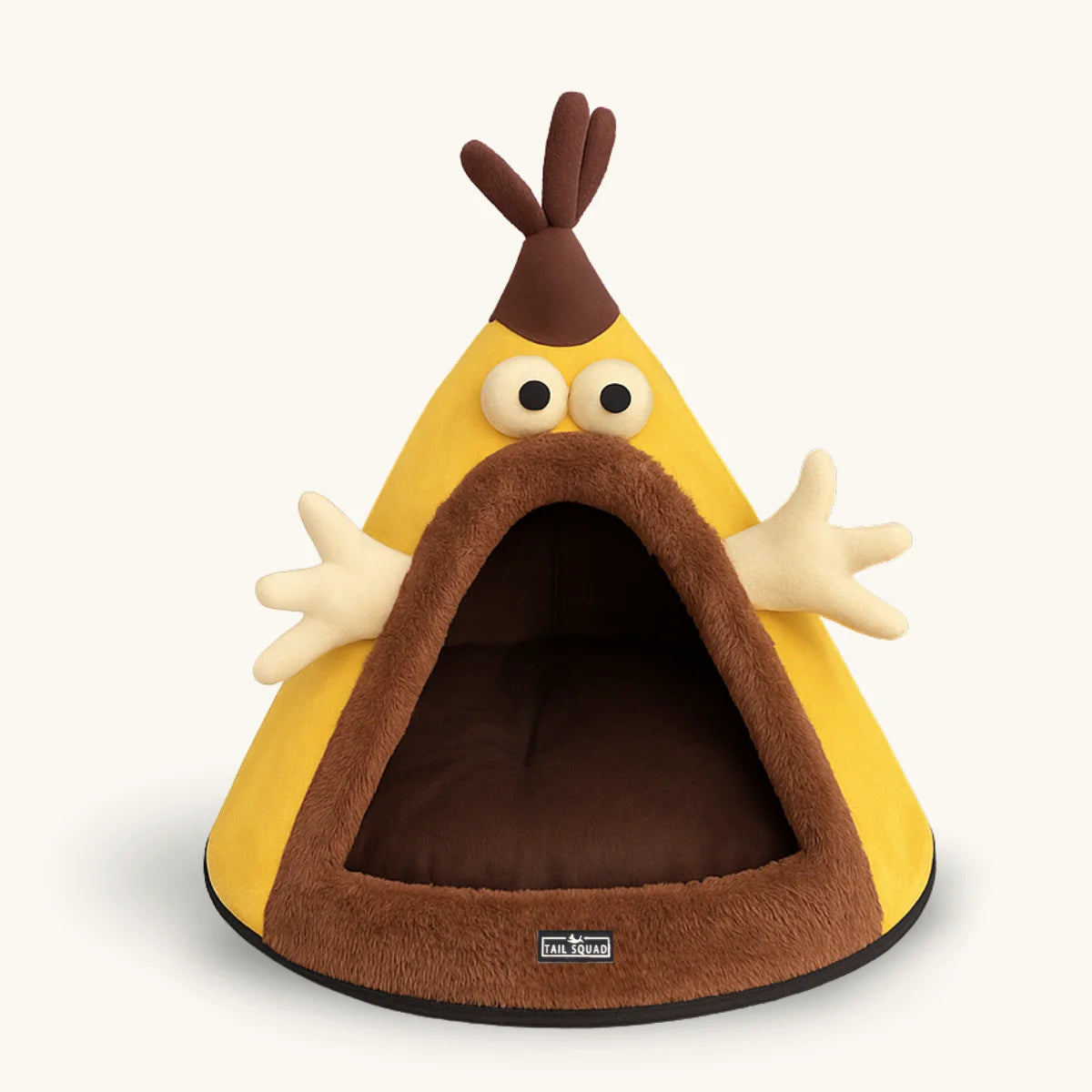
A busy family may like a friendly dog that enjoys people. If you like outdoor activities, an active dog may be a good fit. A quiet home may be better for a calm dog. Choose a dog that fits your home and daily life. Your dog’s bed can also support a good routine. A comfortable bed gives your dog a clear place to rest after walks, training, or play. Dog Beds can help you explore bed options for different sizes and sleeping habits. Tail Squad products can also be considered when looking for dog bed options through an affiliate site.
FAQs
1. How can I understand my dog’s personality?
See how your dog behaves at home, around people, during walks, and in new places. Their actions will tell if they are playful, shy, calm, social and independent.
2. Do dog breed personalities predict behavior?
Dog breed personalities can help you understand what a dog may be like. But every dog is different. Dog breed temperament can also change with training, social time, genes, and past experiences.
3. Can I use a dog personality test to choose a breed?
A dog personality test can help you think about the traits you prefer. A dog breed personality test or dog breed personality quiz is best used as a guide, not a final decision.
4. What is a good way to compare dogs by personality?
Start by comparing energy, trainability, social needs, independence, and exercise needs. Looking at dogs by personality can help you find a better match for your home.
5. Which breed has the best personality?
There is no one perfect dog personality. Labrador Retrievers, Golden Retrievers, Poodles, Beagles, and many other breeds can make great pets. The right dog for you depends on your home, time, and lifestyle.
6. Can a dog’s personality change?
Yes. A dog’s behavior can change as it gets older. Training and good experiences can help a dog become calmer and more confident. Health problems or changes at home can also affect how a dog acts.
Final Thoughts
There is no single list that can explain every dog. Dog personalities are shaped by breed, genetics, learning, health, training, and life experience.
Breed guides can help you know what to expect. Still, the individual dog should always come first.
When you understand your dog’s needs, you can build better routines, choose suitable activities, and create a stronger bond.